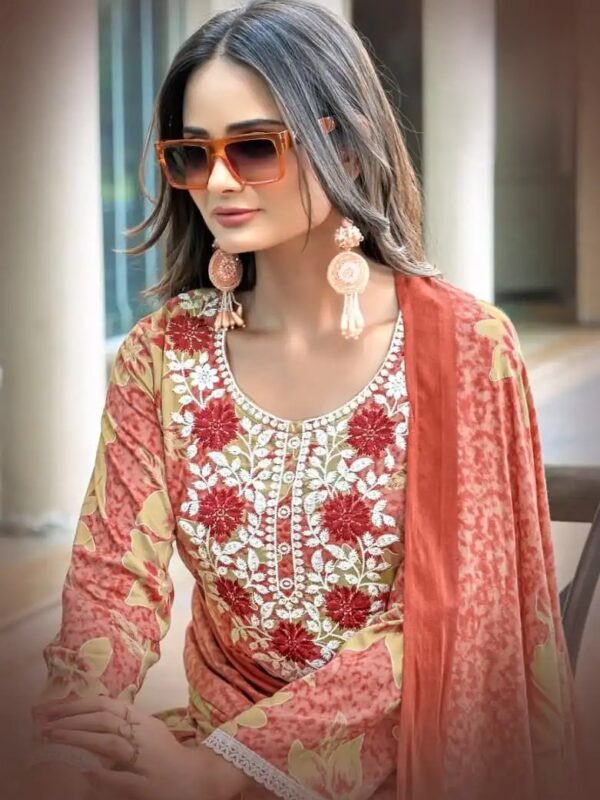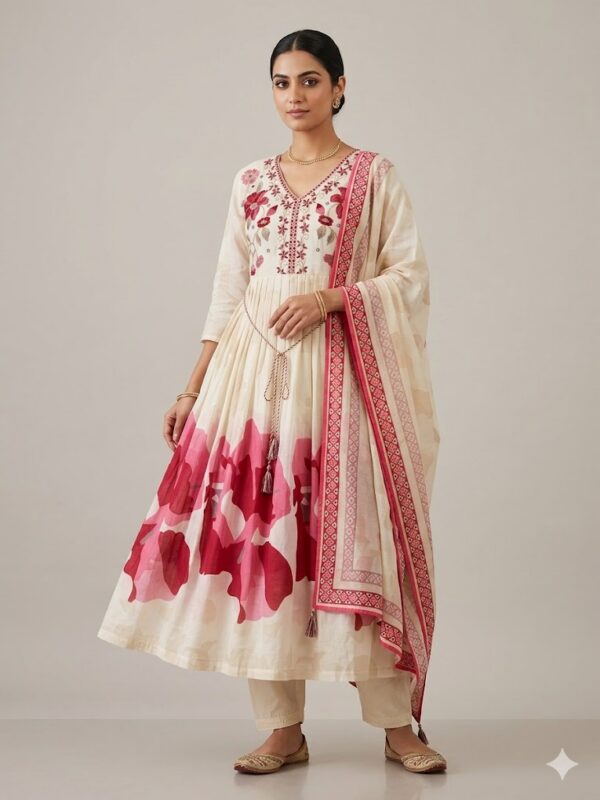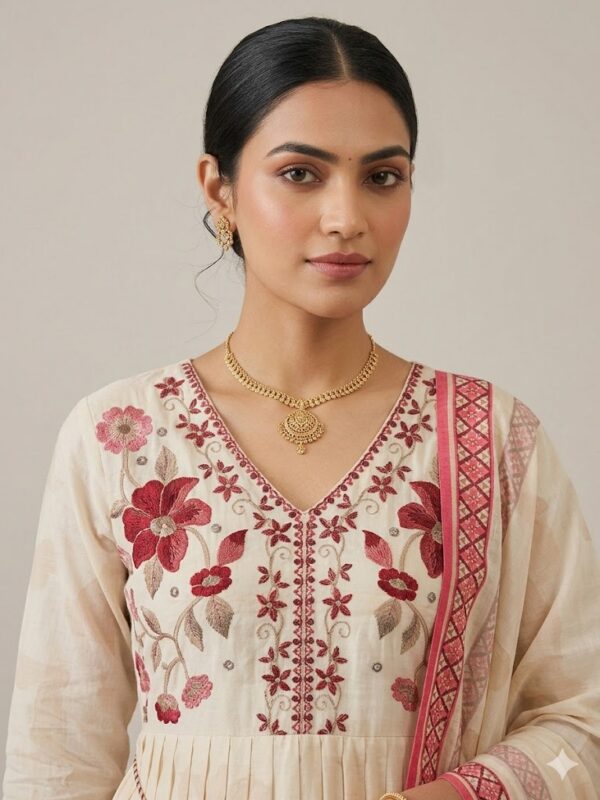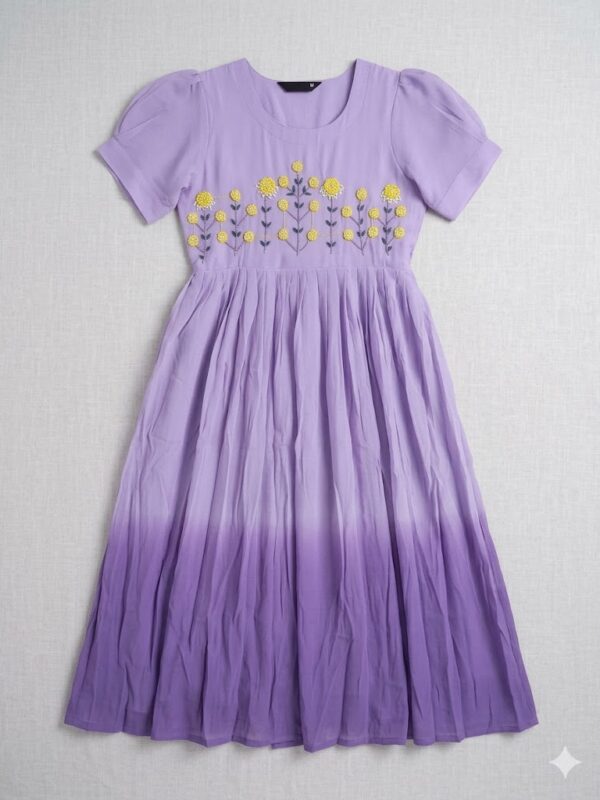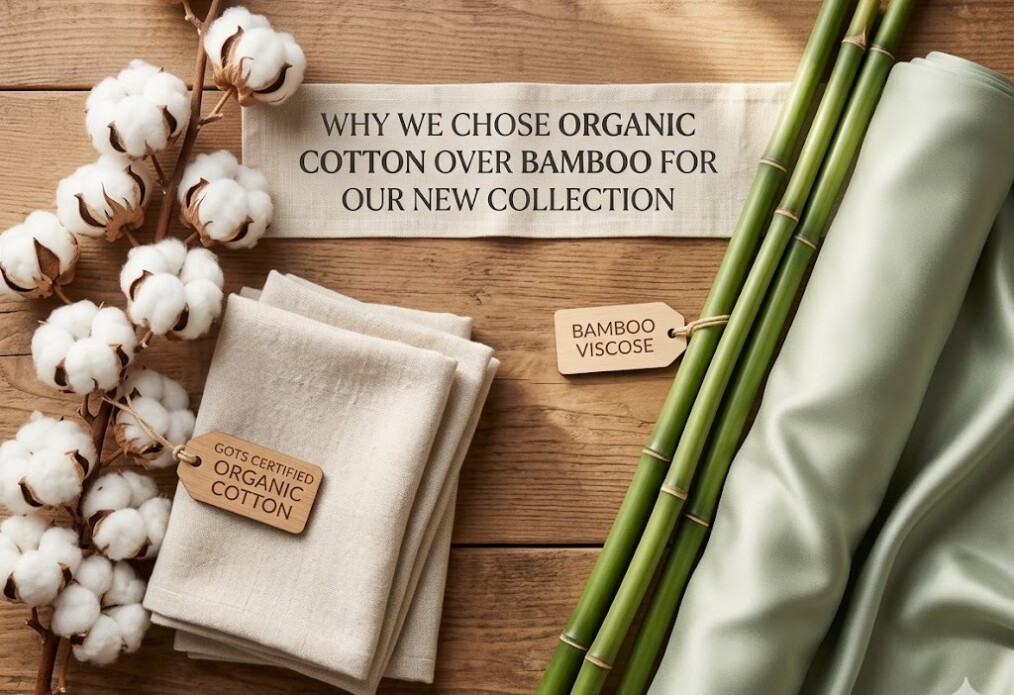
Welcome to the latest chapter at Shero. As an ethical fashion brand dedicated to empowering women through mindful wardrobes, we are always questioning the materials we use. Recently, we faced a pivotal decision while designing our newest line: should we use bamboo or stick to our beloved organic cotton?
If you are navigating the world of eco-conscious fashion, you’ve likely stumbled upon the great organic cotton vs bamboo fabric debate. Bamboo is often hailed as a miracle material fast-growing, soft, and supposedly ultra-green. However, when we looked beyond the marketing to examine bamboo vs organic cotton sustainability, we uncovered truths that changed our perspective completely.
In this post, we will dive deep into why we made our choice, exploring everything from the pros and cons of bamboo clothing to understanding is bamboo fabric better than cotton for your wardrobe, your skin, and the planet. To learn more about all the materials we trust, you can also check out the ultimate fabric guide on our blog.
The “Green” Myth: Is Bamboo Fabric Actually Sustainable?
When discussing the environmental impact of bamboo chemical processing vs organic cotton farming, there is a stark difference between how a plant grows and how it becomes a wearable garment. Bamboo in the wild is indeed an incredibly sustainable, rapidly renewable resource. But turning tough bamboo stalks into soft fabric requires immense chemical intervention.
This brings us to a question many of our customers ask: “Why does bamboo fabric feel like plastic?” The answer lies in the manufacturing. Most bamboo clothing on the market is actually “bamboo viscose” or “bamboo rayon.” The chemical process of bamboo vs organic cotton is vastly different. To create bamboo viscose, the plant matter is dissolved in toxic solvents like carbon disulfide and sodium hydroxide. This heavy chemical bath transforms the natural fiber into a semi-synthetic one, which is why it can sometimes carry an artificial, slightly slick, or plastic-like finish.
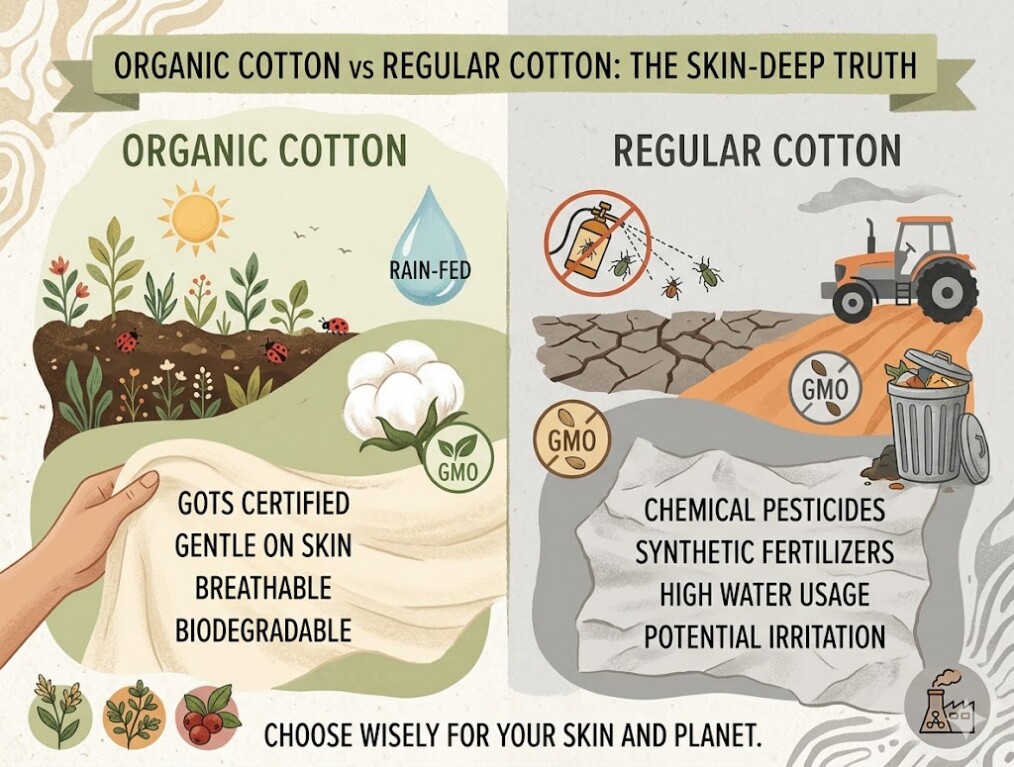
At Shero, we prioritize ethical manufacturing vs bamboo rayon chemicals. Instead of relying on chemically intensive processes, we advocate for transparency. Organic cotton is grown without synthetic pesticides or fertilizers, relying on natural crop rotation and rain-fed systems. By partnering with GOTS certified organic cotton brands and certified suppliers, we ensure our supply chain remains non-toxic from seed to stitch.
Curious about how a garment is ethically made? Read about the Journey of a Shero.
Why Organic Cotton Wins for Sensitive Skin
When evaluating organic cotton vs bamboo for skin, the difference in processing plays a massive role. Because bamboo viscose is chemically extruded, traces of those harsh solvents can sometimes remain in the fibers, leading to skin irritation for those with highly reactive skin.
If you are looking for the best fabric for eczema and sensitive skin, pure, unadulterated organic cotton is the gold standard. It is naturally hypoallergenic, breathable, and highly absorbent. At Shero, providing chemical-free women’s clothing India can trust is our priority. We know that in hot, humid climates, what you put on your body matters immensely.
For those seeking truly hypoallergenic clothes for women, organic cotton requires no toxic finishes to make it soft it is naturally plush and gentle against the skin.
Durability Test: Why SHERO Pieces are Built to Last
Fast fashion relies on clothes that fall apart so you have to buy more. But we are pioneers of slow fashion organic cotton India. We want your clothes to last for years, not just a season.
This brings us to another major question: “Does organic cotton last longer than bamboo viscose?”
Yes, it absolutely does. Here is why organic cotton is more durable than bamboo: natural cotton fibers are structurally strong, especially when they are organic and haven’t been broken down by harsh chemical treatments. Bamboo viscose, while soft, loses up to 50% of its tensile strength when wet. This means bamboo garments are highly prone to stretching, warping, and pilling after just a few runs through the washing machine.
If you are searching for fabric that doesn’t pill or lose shape, organic cotton stands out as one of the most durable natural fibers for clothes. It holds its structure, takes dye beautifully, and actually gets softer with every wash without breaking down. As one of the rising long-lasting sustainable clothing brands, we recognize that true sustainability means buying less but buying better. For a deeper dive into the economics of ethical longevity, read our piece on Sustainable Fashion Cost.
Organic Cotton vs Bamboo: A Comparison Table
To summarize the pros and cons of bamboo clothing against organic cotton, here is a quick guide:
| Feature | Organic Cotton | Bamboo (Viscose/Rayon) |
| Source Material | Natural cotton seeds | Bamboo stalks |
| Processing | Natural, mechanical | Heavy chemical solvents (viscose process) |
| Skin Friendliness | Hypoallergenic, chemical-free | Soft, but potential chemical residue |
| Durability | High; strong when wet | Low; loses strength and stretches when wet |
| Sustainability | High (if GOTS certified) | Questionable (due to toxic processing) |
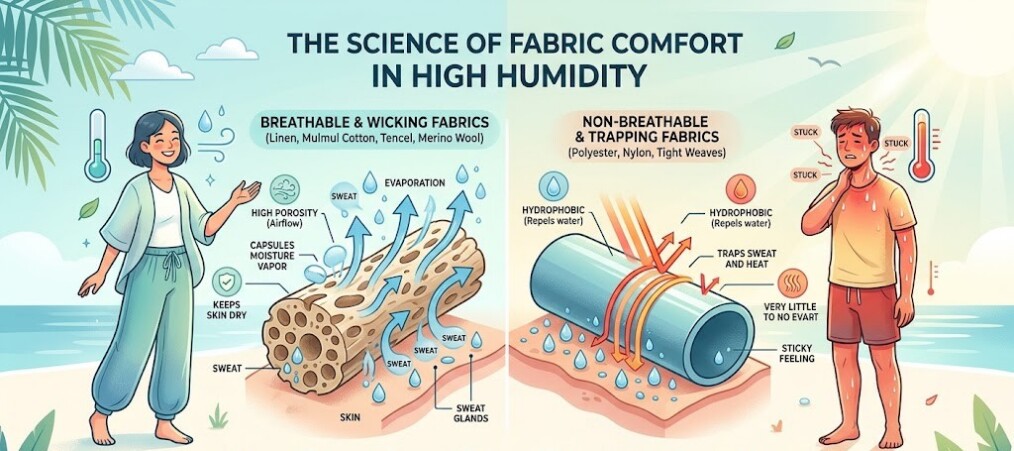
Which fabric is more breathable for Indian summers? While both fabrics offer moisture-wicking properties, lightweight organic cotton weaves allow for superior air circulation without trapping heat. For more seasonal tips, explore our guide on the Best Clothing for Summer.
Stylist’s Corner: Flatter Your Silhouette with Organic Cottons
We believe that sustainable fashion must also be stunning. According to the top fashion trends in 2026, structured yet comfortable silhouettes are dominating the runway. Organic cotton provides the perfect canvas for these designs because it holds shape brilliantly.
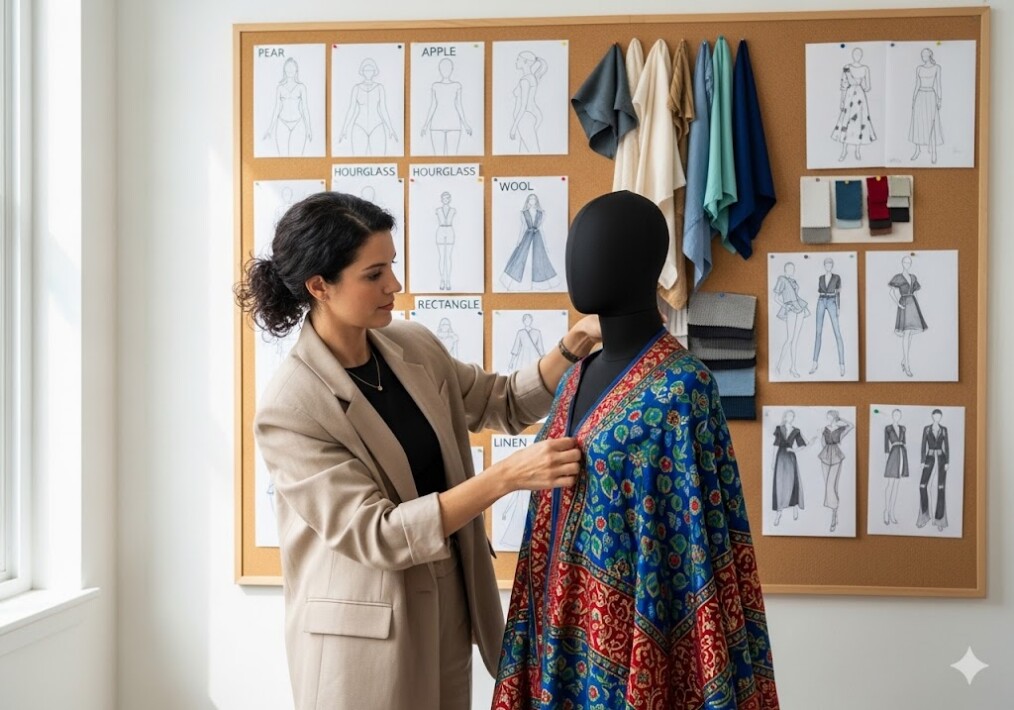
Here is how to style our organic cotton pieces for your unique shape:
- The Hourglass: Look for pieces that cinch at the waist but have enough structure to hold a flare. Organic cotton poplin is perfect for this. Try matching your skin’s undertones perfectly by learning about warm vs cool color theories to make your outfit pop.
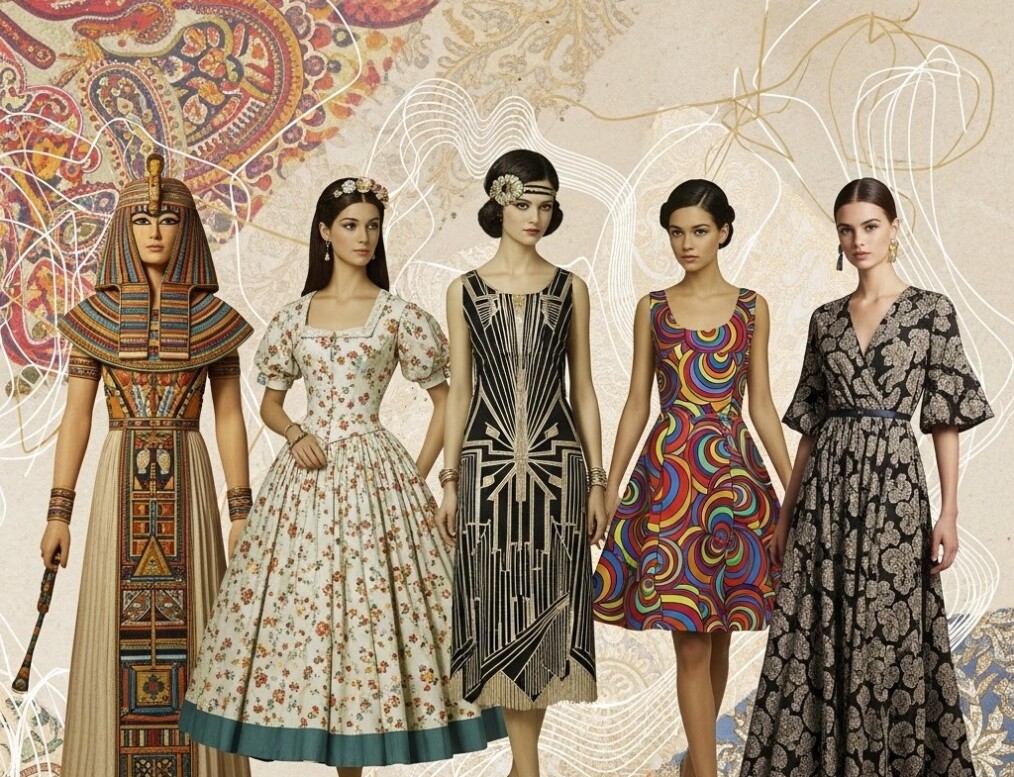
- The Pear: A structured A-line dress in organic cotton draws the eye upward and skims beautifully over the hips. If you love timeless designs that flatter this shape, check out the History of Patterned Dresses to see why A-lines never go out of style.
- The Apple: For a breezy, comfortable fit that doesn’t cling to the midsection, our feather-light Mul-Chanderi and mul cotton blends are incredible. They drape elegantly, offering an airy silhouette that is as flattering as it is comfortable.
Frequently Asked Questions
Why does bamboo fabric feel like plastic?
Most bamboo fabric on the market is processed into viscose/rayon using harsh chemicals that alter the plant’s natural fibers, giving the resulting fabric a slick, synthetic, and sometimes plastic-like feel.
Which fabric is more breathable for Indian summers?
Organic cotton is exceptionally breathable. Its natural weave allows heat to escape from the body easily, making it the superior choice for hot and humid Indian summers.
Does organic cotton last longer than bamboo viscose?
Yes. Organic cotton is significantly stronger, especially when wet. Bamboo viscose is fragile in the wash, often leading to stretching, tearing, and pilling over time, whereas high-quality organic cotton retains its shape for years.
What is the environmental impact of bamboo chemical processing vs organic cotton farming?
While bamboo plants grow sustainably, processing them into fabric requires toxic chemicals like carbon disulfide, polluting local waterways. Organic cotton farming avoids toxic pesticides and relies on natural ecosystems, making its overall lifecycle much safer for the planet. For more insights on global standards fighting textile pollution, visit the Fashion Revolution initiative.
The Verdict: Choose Better, Wear Longer
At the end of the day, making conscious choices about our wardrobes empowers us. By choosing organic cotton over heavily processed bamboo viscose, we are voting for healthier skin, cleaner rivers, and garments that stand the test of time.
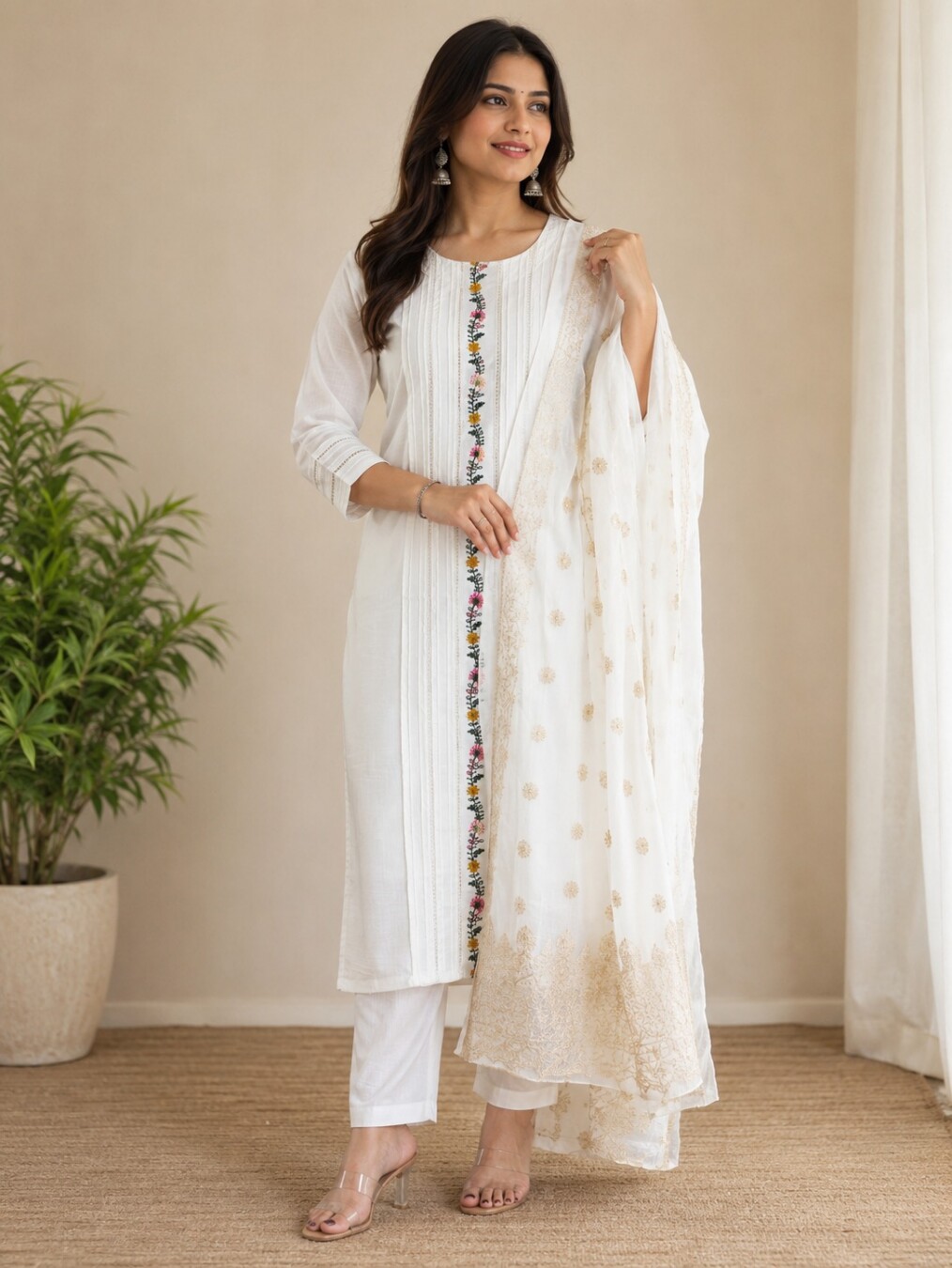
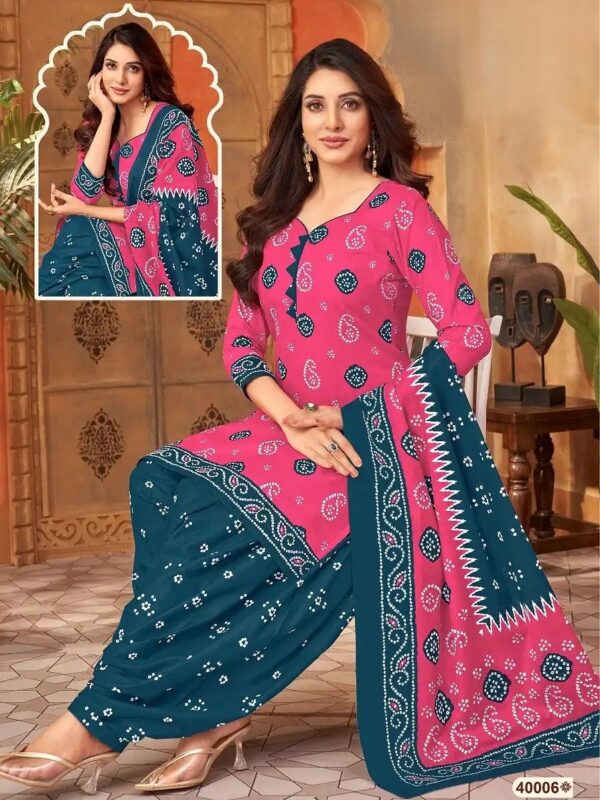
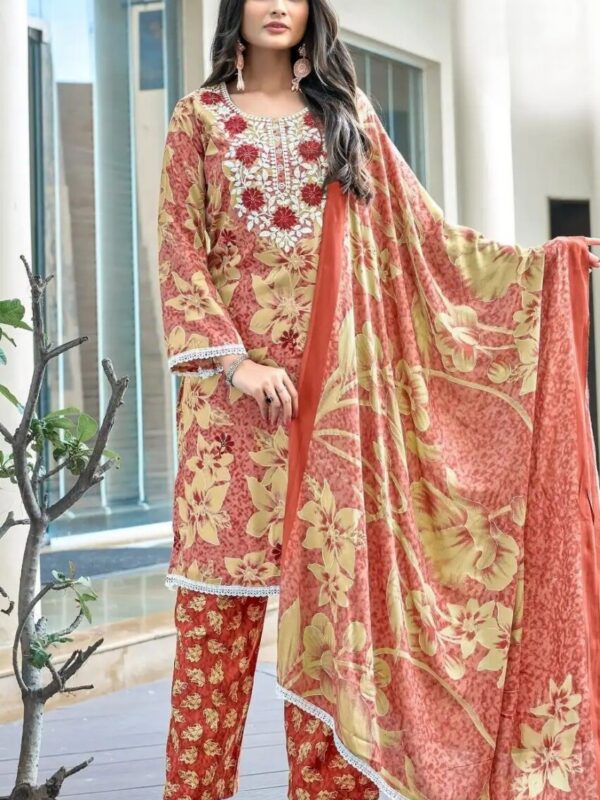
Ready to feel the difference for yourself? Explore our collection of dresses crafted entirely from pure, ethically sourced organic cotton, and take the next step in your sustainable fashion journey with Shero.