In an era of instant gratification and “flash sales,” the price tag of sustainable fashion can often trigger sticker shock. When you can buy a trendy top for the price of a latte, why would you choose to spend more on a single garment from a conscious brand?
The answer lies in a fundamental shift in how we perceive value. At Shero, we believe that fashion shouldn’t just be about the transaction; it should be an investment in yourself, the artisans, and the planet. To understand why sustainable fashion carries a premium, we must pull back the curtain on the “hidden costs” of cheap clothing and look at the long-term math of a quality wardrobe.
The Illusion of the “Cheap” Price Tag
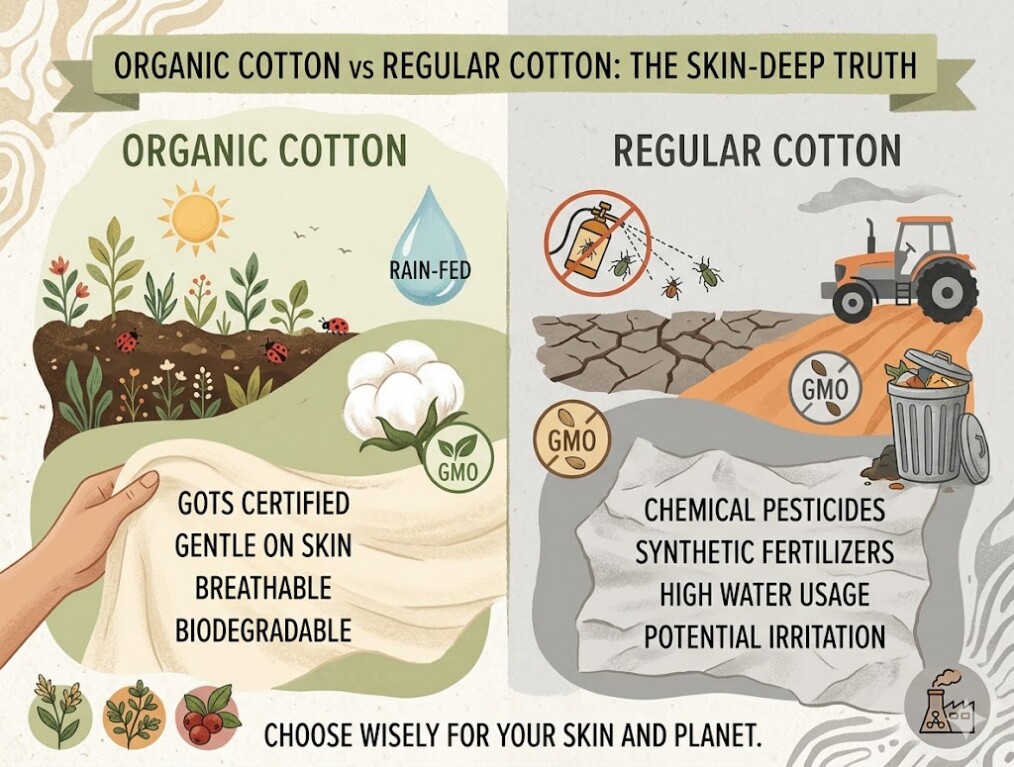
The fast-fashion industry has mastered the art of externalizing costs. When a dress is priced at an unbelievably low rate, the “saving” doesn’t just disappear—it is paid for elsewhere. Usually, this cost is borne by the environment (through toxic dyes and water waste) or by workers who are underpaid and subjected to unsafe conditions.
Sustainable fashion, on the other hand, internalizes these costs. It accounts for fair wages, ethical sourcing of raw materials, and environmentally friendly production processes. While this makes the upfront price higher, it ensures that your purchase isn’t contributing to a cycle of exploitation.
The “Cost Per Wear” (CPW) Revolution
The most effective way to justify the investment in quality is the Cost Per Wear formula. This is the simple math that professional stylists use to build functional wardrobes.
- Formula: Total Price of Garment ÷ Number of Times Worn = Cost Per Wear.
Let’s compare a typical mass-produced alternative against a high-quality piece from our collection of dresses.
Scenario A: The Fast Fashion Alternative
You buy a trendy “bargain” dress for ₹999. It looks great on the hanger, but after just one wash, the fabric begins to pill, the hemline twists, and the size shrinks significantly. Because it no longer fits or looks “fresh,” you wear it exactly twice before it ends up in the back of your closet or a landfill.
- Cost Per Wear: ₹999 / 2 = ₹499.50 per wear.
Scenario B: The Shero Investment
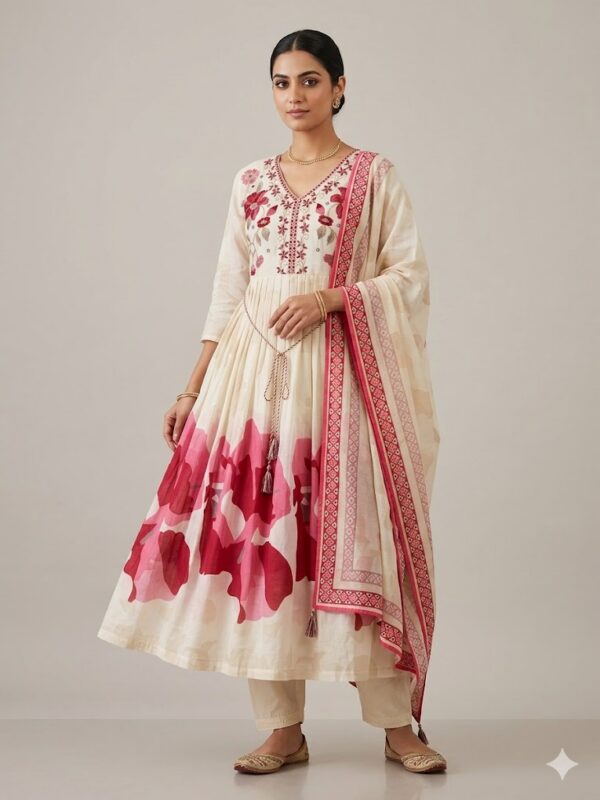
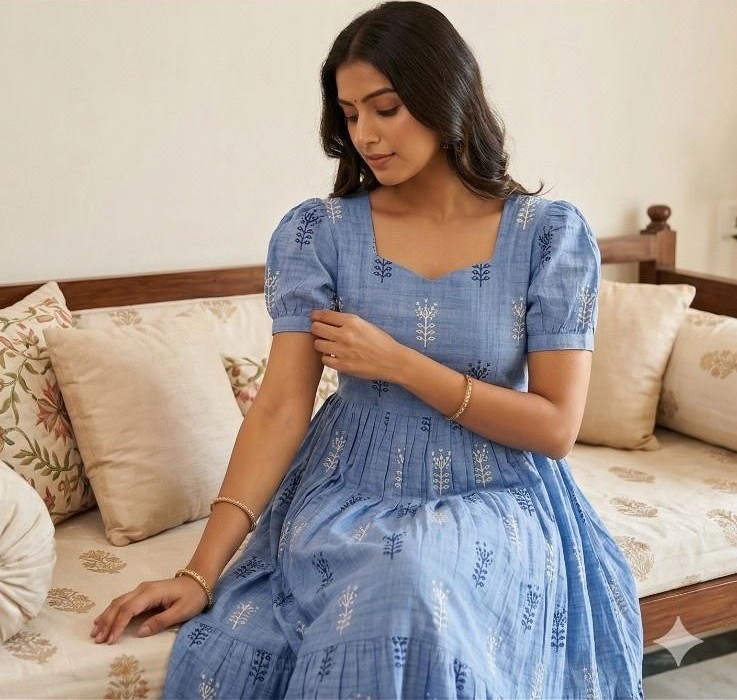
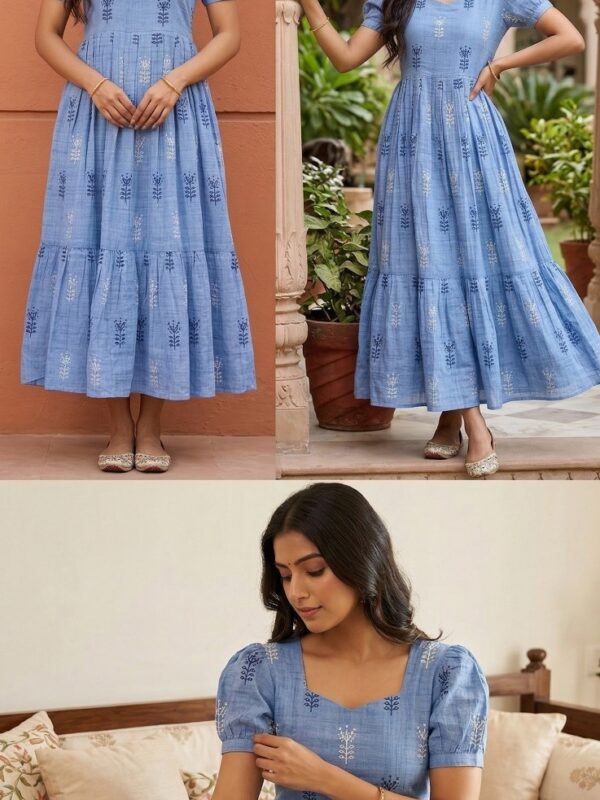
You invest in a stunning example of a patterned dress, such as our Multi-Colour Mul Chanderi Frock, for ₹3,500. Because of the premium fabric and expert construction, the dress retains its shape, color, and softness wash after wash. You wear it to work, brunches, and family gatherings at least 50 times over the next three years.
- Cost Per Wear: ₹3,500 / 50 = ₹70.00 per wear.
As the math proves, the “expensive” dress is actually 7 times cheaper in the long run.
Why Shero Lasts: The Longevity of Stitching and Dyes
A major reason why sustainable fashion outlasts its mass-produced counterparts is the attention to technical detail. In fast fashion, speed is the priority. This leads to “loose tension” stitching where machines run at maximum speed, creating weak seams that pop the moment you sit down or stretch.
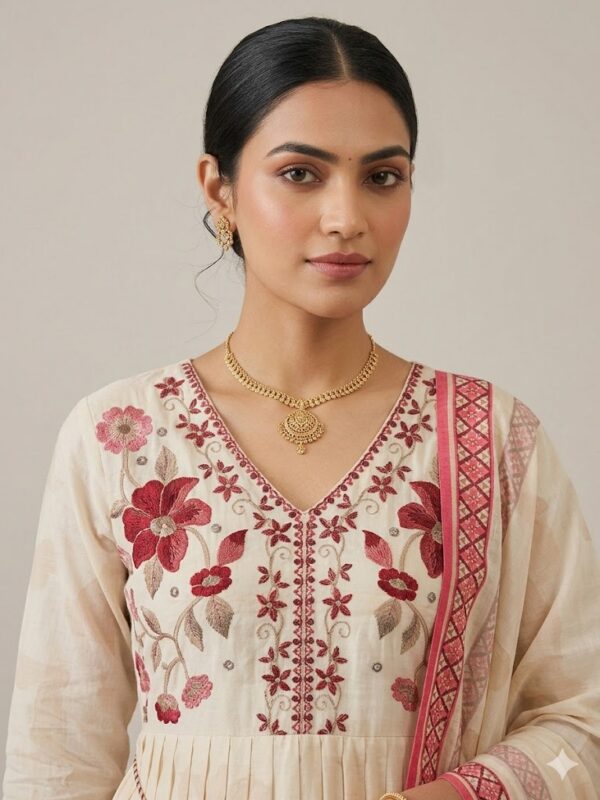
At Shero, our garments utilize high-density stitching. This means more stitches per inch, ensuring that the seams are flexible but incredibly strong. Furthermore, we pay close attention to the “finishing” using French seams or overlocked edges that prevent fraying, even after years of use.
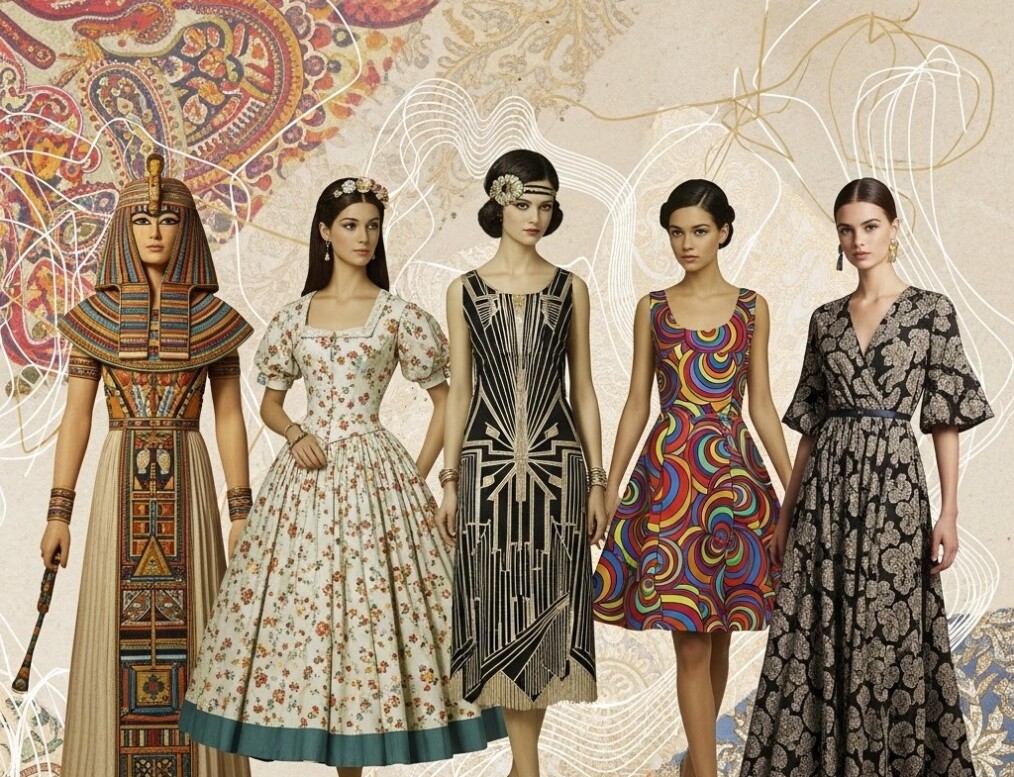
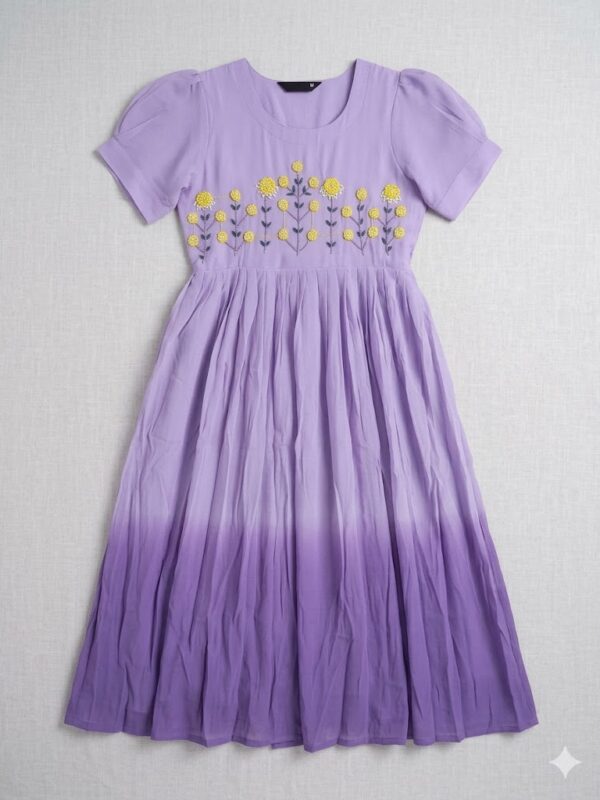
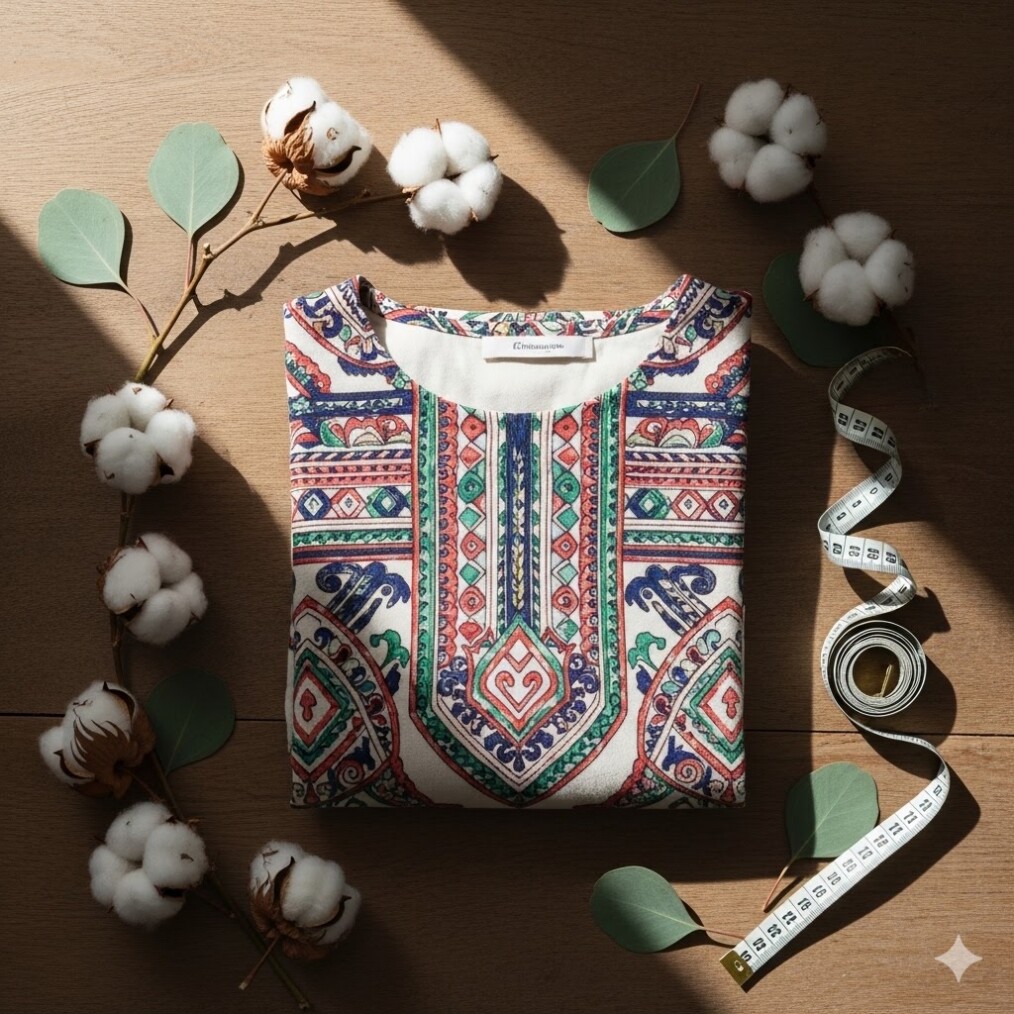
Then there is the matter of color. Cheap clothing often uses “sulfur dyes” or heavy-metal-laden pigments that bleed the moment they touch water. This is why a cheap black t-shirt becomes a dull grey after two washes. We use high-quality, eco-friendly dyes that bond deeply with the fiber. Whether you are wearing a piece from the History of Patterned Dresses or a solid-colored staple, our colors are designed to stay vibrant, resisting the fading effects of sunlight and detergent.
Fabric: The Foundation of Value
You cannot build a house on sand, and you cannot build a long-lasting dress on poor-quality fabric. A huge portion of the cost of sustainable fashion goes into the raw materials.
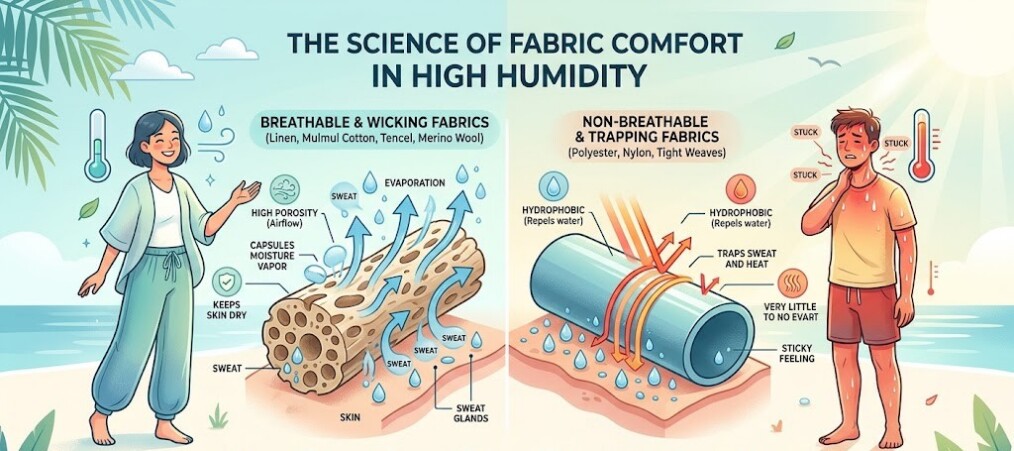
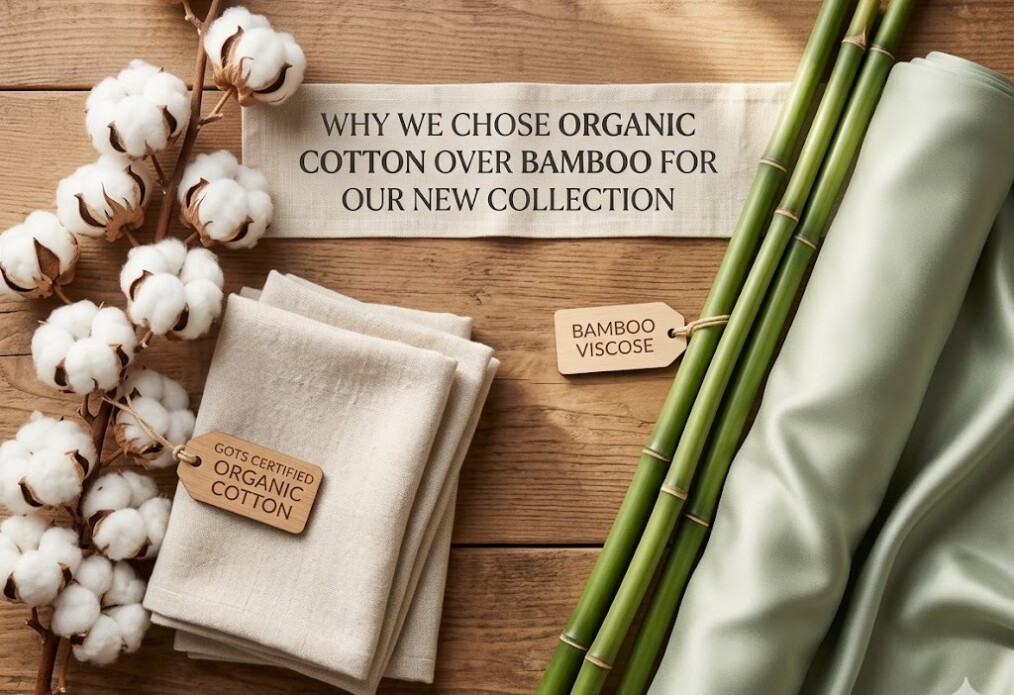
While fast fashion relies on “virgin polyester” a plastic-based fiber that doesn’t breathe and traps odors we prioritize natural, high-performance fibers like Mul-Mul, Chanderi, and premium Cotton. To understand the technical difference between these weaves and why they contribute to the longevity of your garment, we highly recommend reading the ultimate fabric guide.
These natural fibers don’t just feel better; they age gracefully. Much like a fine wine, high-quality cotton and silk often become softer and more comfortable with time, rather than deteriorating like synthetic blends.
Trends vs. Timelessness: Future-Proofing Your Style
Another reason sustainable fashion is a better investment is its design philosophy. Fast fashion thrives on “micro-trends” that are designed to look “out” within two weeks. This forced obsolescence keeps you buying more.
Sustainable brands focus on “Seasonless Style.” When we look at the top fashion trends in 2026, we see a massive move toward “Heritage-Tech” and “Modular Wardrobes.” People are no longer looking for the “trend of the week”; they are looking for versatile pieces that can be styled in multiple ways. A well-made patterned dress from Shero isn’t just for today; it’s a piece you will still feel confident wearing five years from now.
The Psychological Benefit: The “Confidence” Factor
There is an intangible value in wearing something you know was made with care. High-quality clothing hangs differently on the body; it moves with you rather than against you. There is a psychological boost that comes from knowing your outfit is breathable, skin-friendly, and ethically made.
When you choose a piece like the multi-colour mul chanderi frock, you aren’t just buying fabric; you are buying the confidence that your outfit won’t fail you. No sudden seam rips, no embarrassing color bleeding, and no “itchy” synthetic feel.
Conclusion: Voting With Your Wallet
Every time you buy a garment, you are casting a vote for the kind of world you want to live in. While the upfront cost of sustainable fashion is higher, the “dividends” it pays in the form of durability, comfort, environmental protection, and a lower cost per wear make it the only logical choice for the modern, conscious consumer.
We invite you to stop collecting “disposable” clothes and start building a curated collection of favorites. Quality is an investment that always pays off.
Ready to start your investment journey? Explore our collection of dresses and find the pieces that will stay with you for a lifetime.