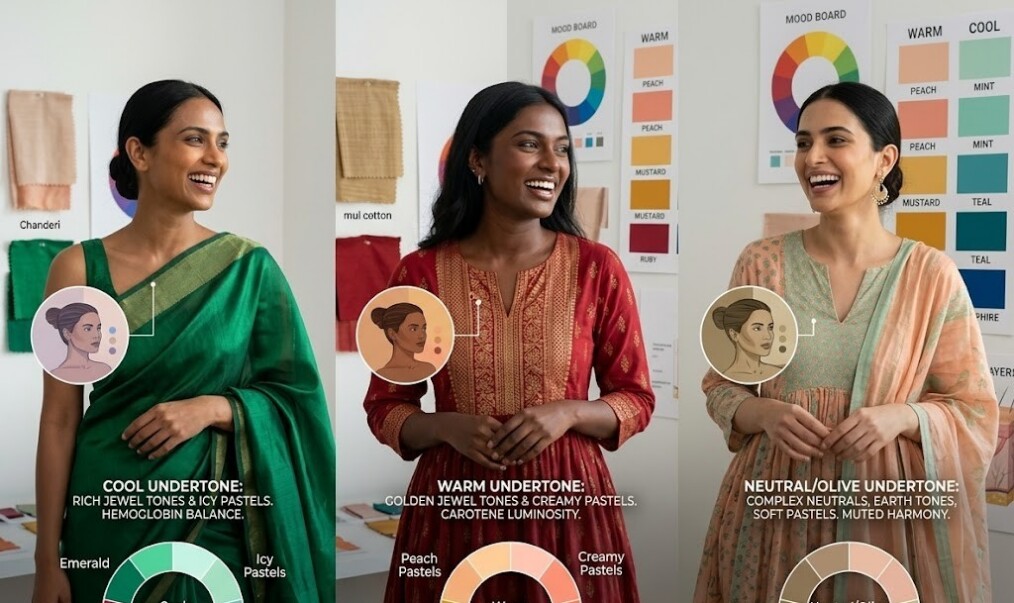
Have you ever walked into a room wearing a specific shade of red and felt an immediate boost of confidence, while another shade of red made you look tired or “yellowed”? Most people assume that picking clothes is purely a matter of personal tastea “this looks pretty” moment. However, at Shero, we believe that style is a synthesis of art and biology. Choosing the right colors is actually a rigorous science rooted in the complex interplay of your skin’s natural pigments.
In the diverse landscape of the Indian subcontinent, skin tones range from the porcelain fair complexions of the North to the deep, rich espresso tones of the South. But here is the secret most fashion “experts” miss: your surface skin depth (how light or dark you are) is independent of your undertone.
Understanding this science is the key to moving beyond guesswork. It is the bridge between simply wearing a dress and wearing a garment that makes your skin glow, your eyes pop, and your presence felt. Whether you are browsing our collection of dresses or looking ahead at the top fashion trends in 2026, this guide will help you master the color palette that is biologically destined for you.
The Biology of Glow: Melanin, Hemoglobin, and Carotene
To understand color theory, we must first look at the three biological factors that determine your skin’s unique hue:
- Melanin: Determines the depth of your skin (fair, medium, deep).
- Hemoglobin: Gives your skin its underlying blue, pink, or red tints.
- Carotene: Influences the golden, yellow-orange glow.
While melanin is what most people notice first, it is the balance of hemoglobin and carotene that creates your undertone. In India, the assumption is often that “brown skin equals warm tones.” This is a scientific myth. You can have a very deep skin tone with a cool, blue-red undertone, just as you can have very fair skin with a warm, golden undertone.
Identifying Your Undertone: The Scientific Tests
Before you can pick the perfect Mul-Chanderi piece, you need to identify your undertone family. Here are the three most reliable diagnostic tests used by color analysts:
1. The Vein Test
Look at the veins on the inside of your wrist under natural sunlight.
- Greenish Veins: You have Warm undertones (the yellow-gold skin tone acts as a filter over blue veins, making them look green).
- Blue or Purple Veins: You have Cool undertones.
- Hard to Tell/Mix of Both: You have Neutral or Olive undertones.
2. The Jewelry Test
Which metal makes your skin look “alive” and healthy?
- Yellow Gold: Complements Warm undertones by harmonizing with the carotene in your skin.
- Silver/White Gold: Complements Cool undertones by mirroring the cool hemoglobin tints.
3. The White Paper Test
Hold a piece of plain white paper next to your face in a mirror under natural light.
- If your skin looks Yellow or Golden next to the paper, you are Warm.
- If your skin looks Pink, Rose, or Blue-ish, you are Cool.
- If your skin looks Grey or Ashy, you likely have an Olive undertone a very common and beautiful trait in South Asian complexions.
The Power of Jewel Tones: Emerald, Ruby, and Sapphire
In the world of color science, Jewel Tones are saturated hues that mimic the depth of precious stones. For the majority of Indian complexions, these are the “safe harbors” of fashion. But why do they work?
The Science of Contrast
Most Indian women possess high “visual contrast”—meaning there is a significant difference between their skin tone and their naturally dark hair and eyes. Science tells us that people with high contrast look best in high-saturation colors.
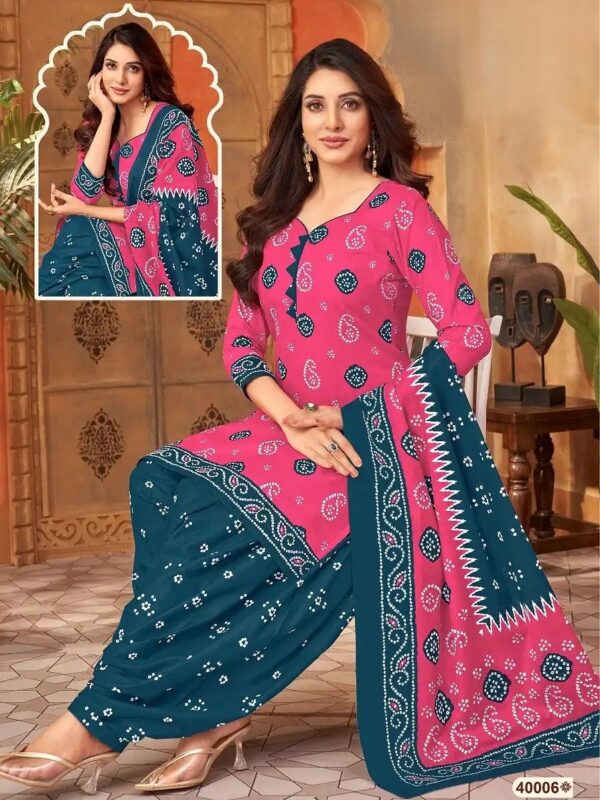
- Emerald Green: This is a “power color” for those with Cool or Neutral-Olive undertones. The depth of Emerald provides a sharp contrast that makes the skin look clearer and hides shadows under the eyes.
- Ruby Red: A true Ruby (cool-toned red) is the ultimate choice for the Deep Winter palette often found in South India. It works by neutralizing any sallowness (unwanted yellow tints) in the skin.
- Sapphire Blue: This is universally flattering for the Indian subcontinent because blue is the direct “complement” to the orange-yellow tints often found in our skin’s overtone. It creates a visual balance that looks regal.
When you explore the History of Patterned Dresses, you will notice that royal wardrobes throughout Indian history almost exclusively utilized these deep, mineral-inspired dyes because they understood this intrinsic harmony.
Navigating Pastels: How to Avoid Looking “Washed Out”
A common fear in Indian fashion is that pastels will make the skin look dull. This only happens when the “clarity” of the color doesn’t match the skin’s undertone.
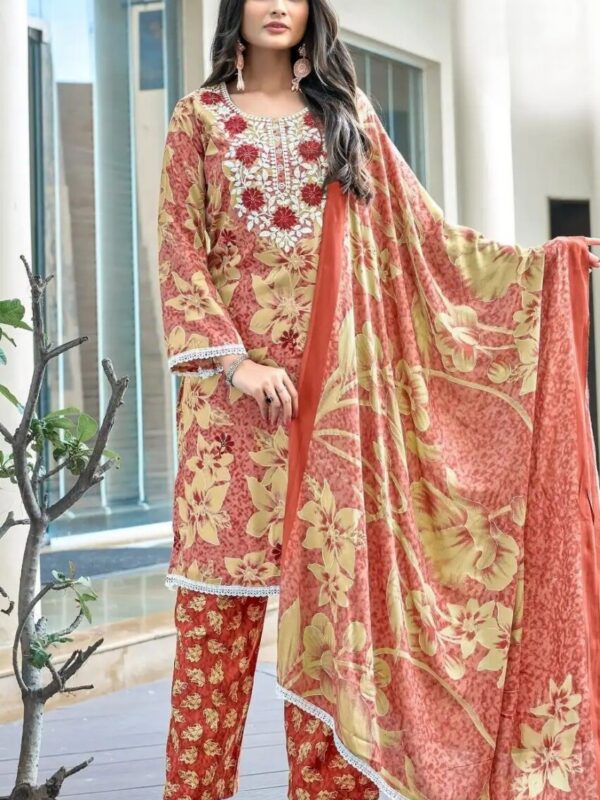
- Warm Undertones? Reach for “creamy” pastels like Peach, Coral-Pink, or Buttermilk Yellow. These colors contain a hint of yellow that resonates with your skin’s carotene.
- Cool Undertones? Opt for “icy” pastels like Mint Green, Lavender, or Sky Blue. These have a blue base that provides a refreshing, brightening effect.
If you are looking for the Best Clothing for Summer, pastels are essential for heat reflection, but the science of the undertone ensures you stay looking vibrant instead of washed out.
Fabric Physics: Texture and Colour Reflection
The science of color theory doesn’t stop at the dye; it extends to the fabric physics. How a surface reflects light determines how the color interacts with your face.
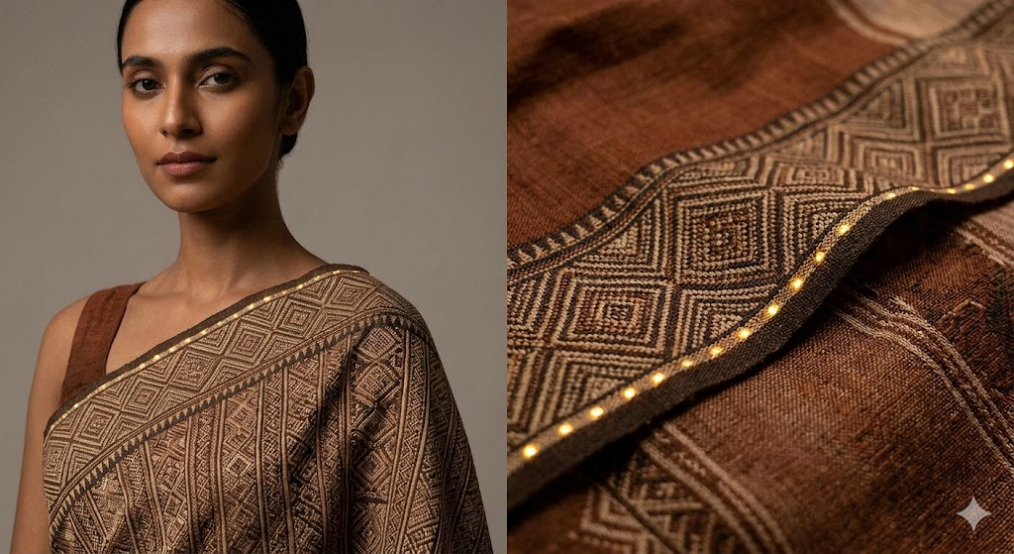
- Mul-Chanderi: Chanderi has a natural “sheen.” This reflective property acts as a spotlight for your face. When we dye Chanderi in a jewel tone like Emerald, the shimmer amplifies the saturation, making it perfect for festive occasions.
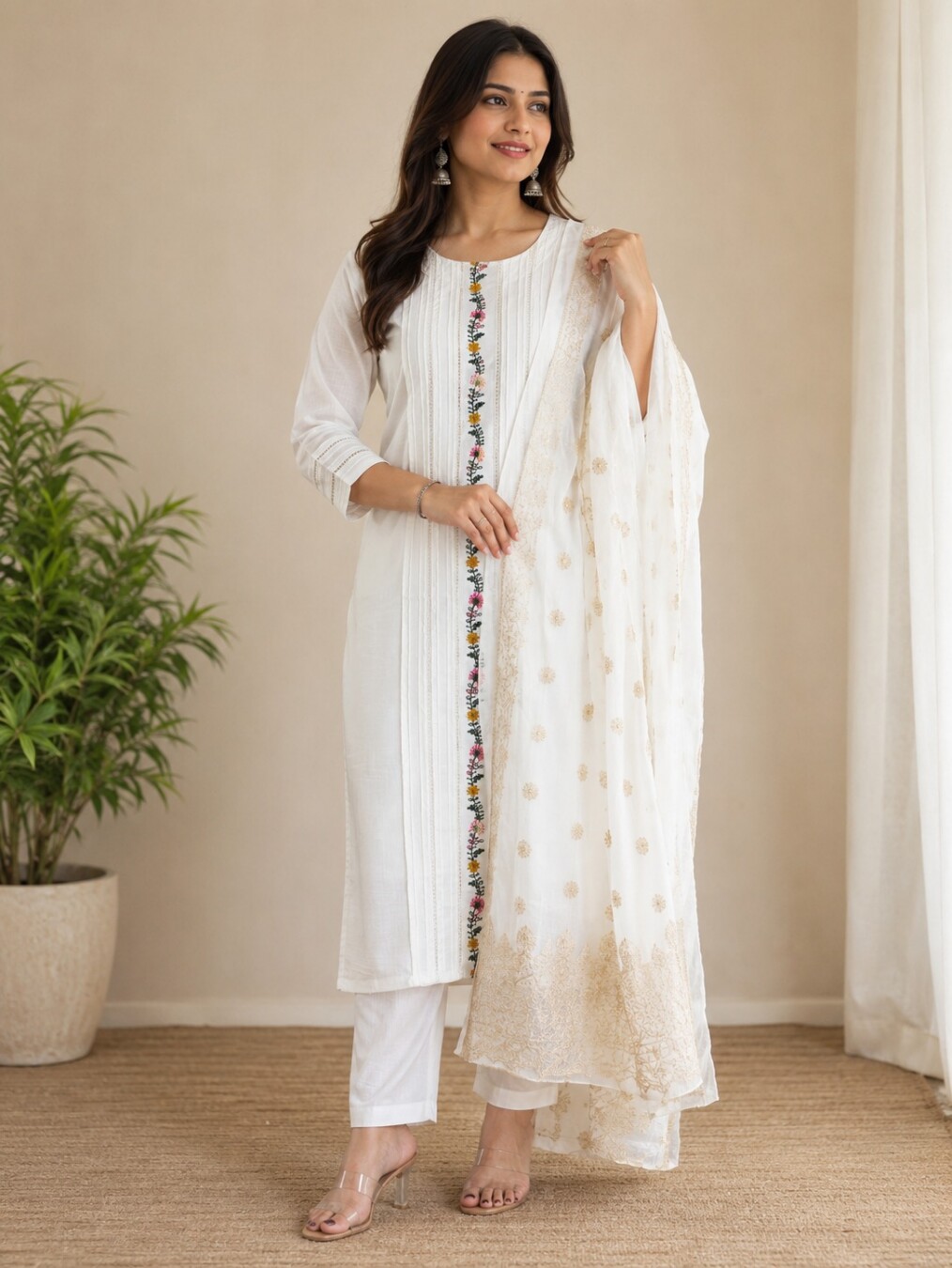
- Mul cotton: In contrast, mulmul cotton has a matte, slightly translucent texture. It “diffuses” light. This makes it the perfect medium for pastels or earth tones, as it creates a soft, ethereal glow rather than a sharp reflection.
For a deeper understanding of how these fabrics are constructed and why they hold color so differently, refer to the ultimate fabric guide.
The “Cost” of Colour: Sustainability and Longevity
At Shero, every garment follows the Journey of a Shero from ethical sketching to the final stitch. Part of this ethics involves the dyes we use. Mass-market “fast fashion” often uses cheap, toxic dyes that bleed and fade after two washes. This is a hidden Sustainable Fashion Cost.
True color science requires high-quality, eco-friendly dyes that bond with the fibers at a molecular level. This ensures that the Emerald green that complements you so perfectly today will still have that same vibrancy two years from now.
To learn more about the environmental impact of textile dyes and the importance of eco-certified coloring, you can read more at:
Conclusion: Wear Your Science
Picking a dress is no longer just a “vibe” it is a decision supported by the science of light and biology. By understanding your undertone, you stop fighting against your natural coloring and start harmonizing with it.
Next time you find yourself wondering why a certain mul cotton dress looks better on you than your friend, remember: it’s the carotene, the hemoglobin, and the physics of light reflection at work.
Embrace your biology. Master your palette.