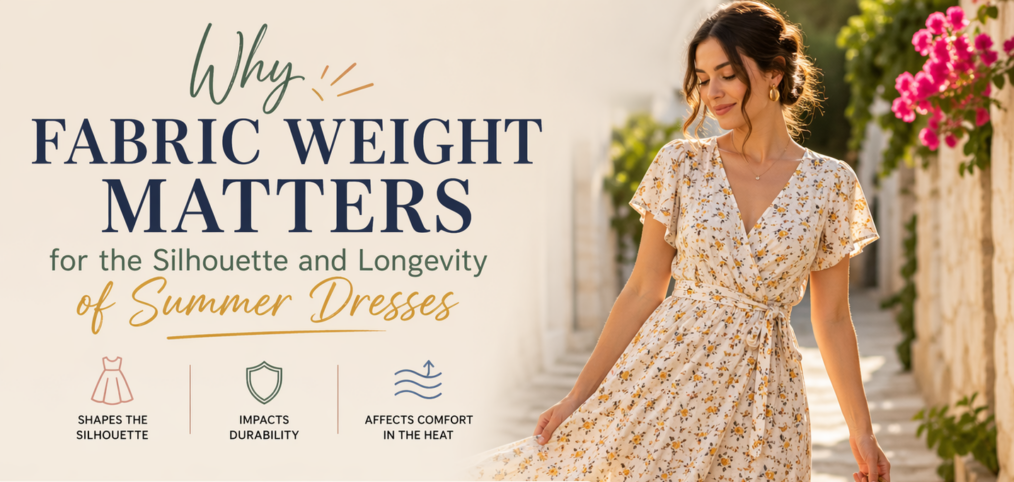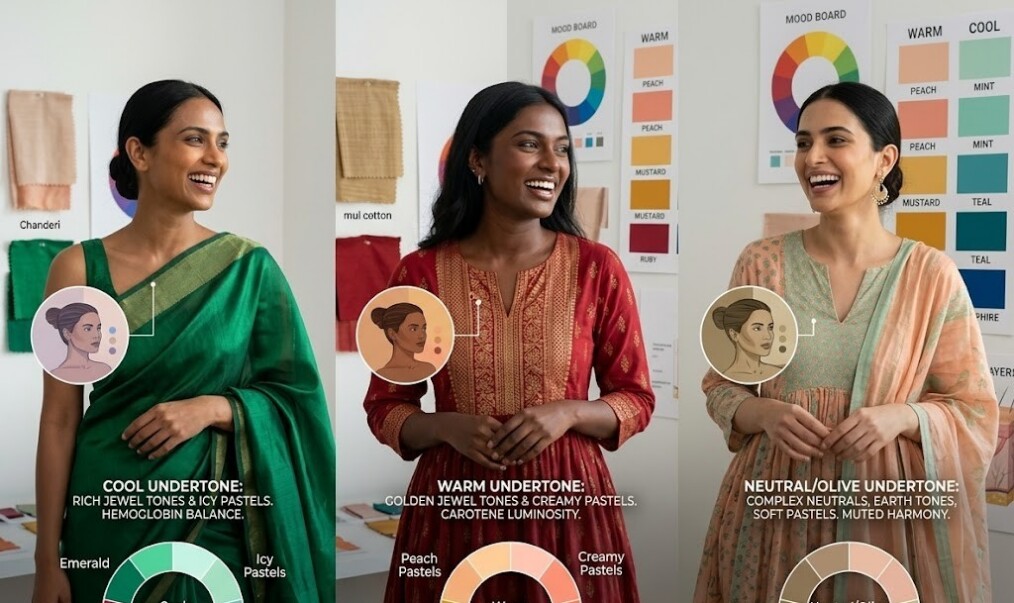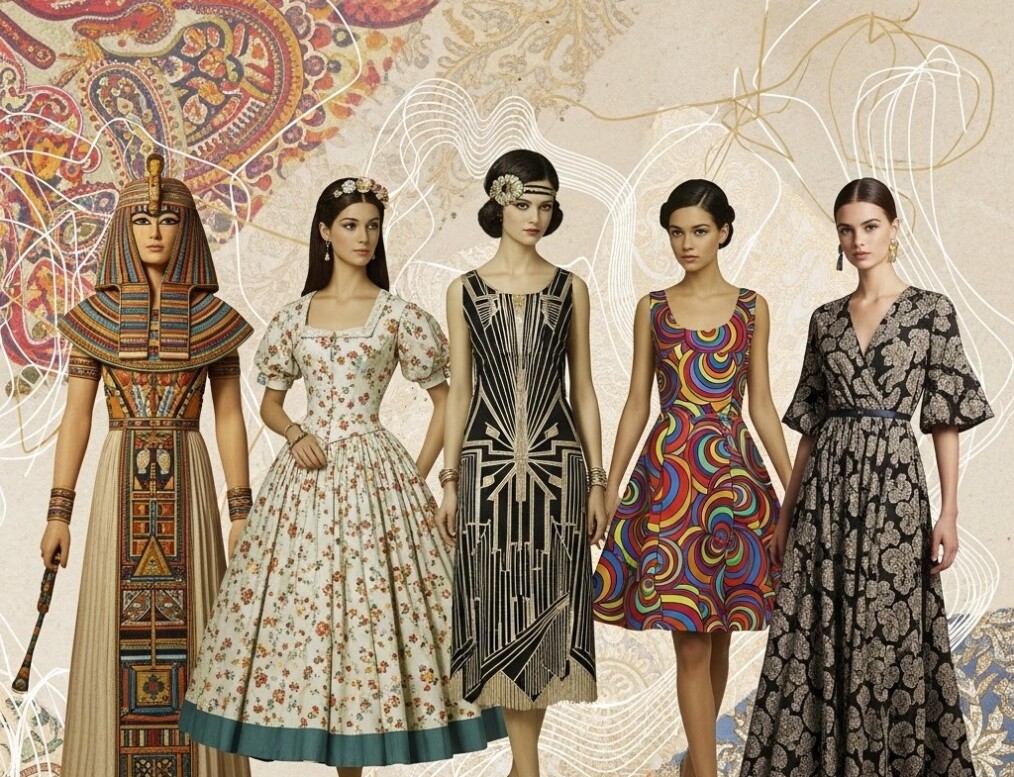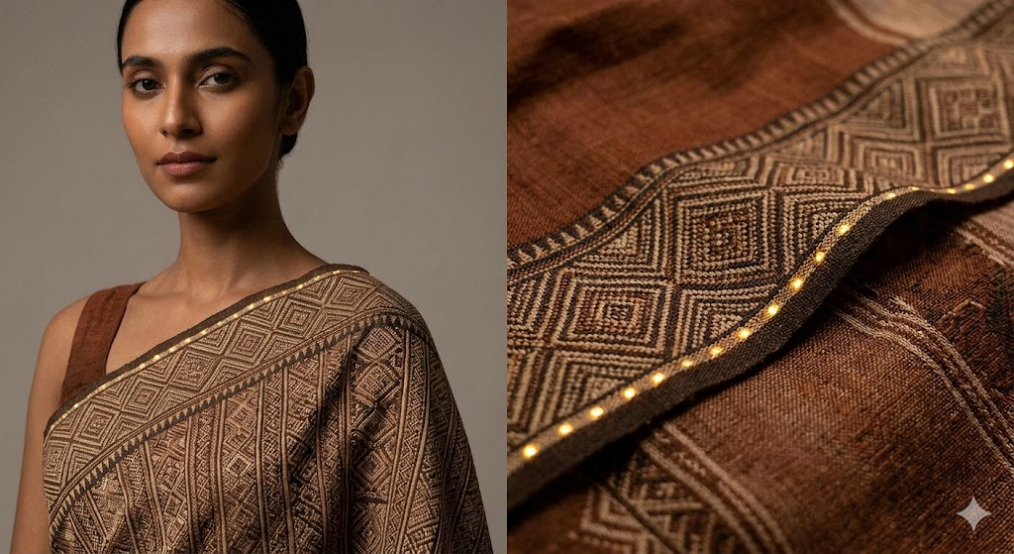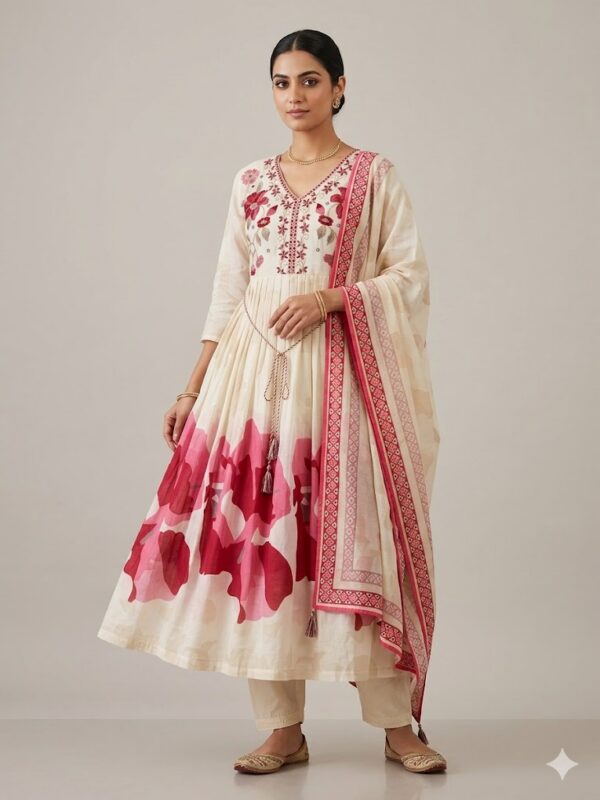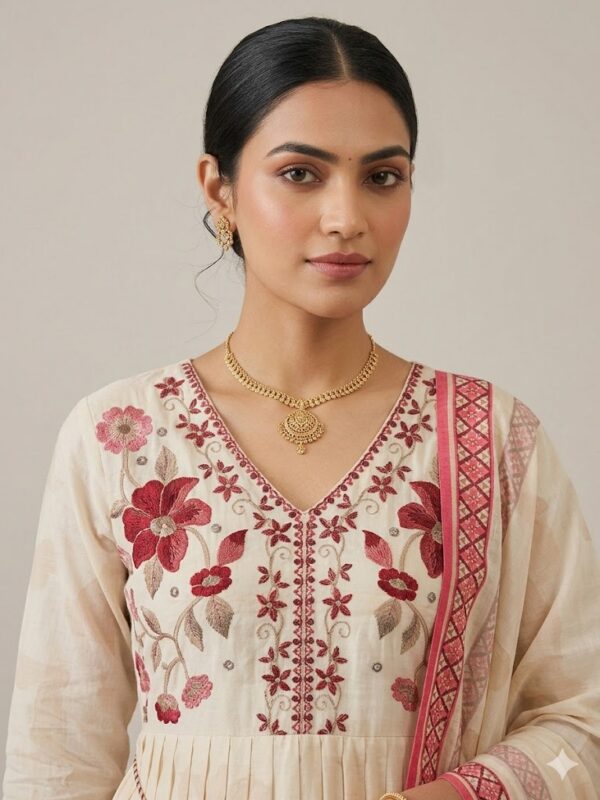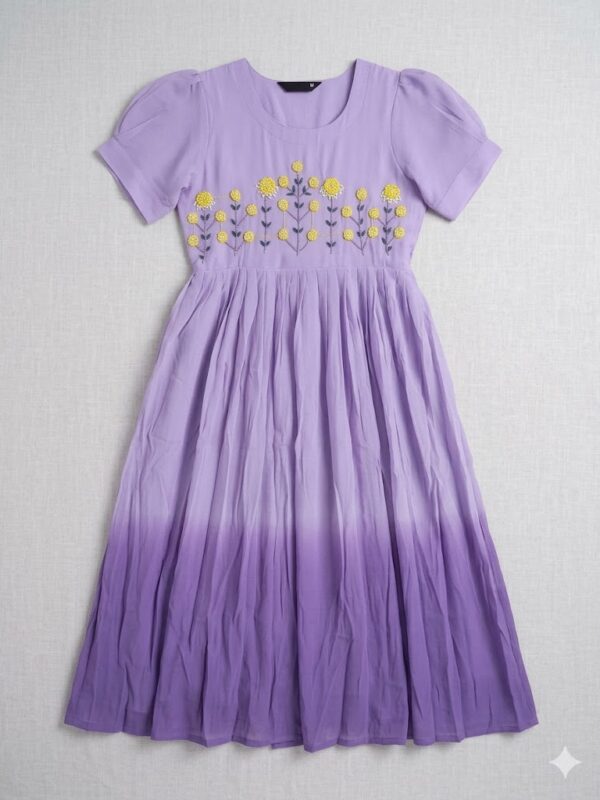
In the fast-paced world of digital fashion, it is easy to get swept up in the beauty of a silhouette or the vibrancy of a print. However, at Shero, we believe that true style is rooted in the substance of the material. A dress isn’t just a design; it is a tactile experience that lives against your skin all day.
To help our community shop with confidence and build a wardrobe that lasts, we’ve put together this comprehensive guide to fabric literacy. Whether you are browsing our latest collections at the Shero Shop or evaluating your own closet, understanding thread counts, weave types, and purity tests is your secret weapon to becoming a conscious fashionista.
1. The Science and the Myth of Thread Count
When you hear the term “Thread Count,” your mind likely jumps to luxury hotel bedsheets. However, thread count is a critical metric in the garment industry as well, particularly for cotton-based ethnic and Western wear.
What is it? Thread count (TC) is the number of horizontal (weft) and vertical (warp) threads woven into one square inch of fabric.
The Myth: For years, marketing has suggested that a higher number always equals higher quality. This isn’t strictly true for clothing. A 1000-TC fabric might be perfect for a heavy duvet, but it would be stiff, heavy, and non-breathable as a summer dress.
The Sweet Spot for Fashion:
For high-quality cotton shirts, kurtis, and dresses found in our online shop, a thread count between 200 and 400 is the gold standard. This range ensures that the fabric is dense enough to be opaque and durable, yet fine enough to drape beautifully and allow your skin to breathe in the Indian heat.
2. Decoding the Weave: Poplin vs. Cambric
The “weave” is the pattern in which the threads are interlaced. Even if two fabrics have the same thread count and are both 100% cotton, the weave will change how the garment feels, shines, and lasts.
Cotton Poplin: The Versatile Workhorse
Poplin is characterized by a “plain weave” with a crosswise rib. In simpler terms, it uses a fine warp thread and a thicker weft thread.
- The Feel: Smooth, crisp, and cool. It doesn’t wrinkle as easily as other weaves.
- The Look: It has a dull sheen that looks professional and polished.
- Best For: Structured dresses, office-wear shirts, and co-ord sets. If you are looking for something that stays crisp from a 9-to-5 meeting to a dinner date, check out the poplin options in our shop categories.
Cotton Cambric: The Summer Essential
Cambric is a finely woven, lightweight fabric that was originally made in Cambrai, France. It is a plain-weave cloth that is treated to have a slight gloss on one side.
- The Feel: Much softer and lighter than poplin. It feels almost like a “second skin.”
- The Look: It has a very smooth, clean surface, making it the perfect canvas for intricate prints and delicate embroidery.
- Best For: Airy summer kurtis, handkerchiefs, and linings. It is highly breathable, making it a staple for anyone shopping the Shero summer collections.
3. The “Home Scientist” Guide: Identifying Fabric Purity
With the rise of “Poly-Cotton” blends (which often trap heat and pill quickly), knowing how to identify 100% pure natural fibers is essential. Here are two tests you can use to verify the quality of your purchases.
The Touch & Temperature Test
Natural fibers like cotton and silk are “active” fibers—they respond to temperature.
- The Temperature Check: Press the fabric against your cheek. Pure cotton will feel cool initially and then slowly adjust to your body temperature. Synthetic fibers like polyester often feel “clammy” or room-temperature immediately because they don’t conduct heat well.
- The Crush Test: Scrunch a corner of the fabric in your fist for 10 seconds. Pure cotton will leave visible wrinkles. If the fabric bounces back perfectly smooth with zero lines, it likely has a high synthetic (polyester or nylon) content.
The Burn Test (For the Experts)
If you have a scrap of fabric or a loose thread and want a definitive answer, the burn test is the gold standard. (Please perform this safely over a sink!)
- 100% Cotton:
- Reaction: It burns quickly with a steady flame.
- Smell: It smells like burning paper or leaves (because it is a plant-based cellulose fiber).
- Residue: It leaves a fine, soft, grey ash that crumbles easily when touched.
- Synthetic (Polyester/Nylon):
- Reaction: It doesn’t “burn” so much as it melts. The fabric will curl away from the flame.
- Smell: It smells sweet, chemical, or like burning plastic.
- Residue: It leaves a hard, black, plastic-like bead that cannot be crushed. This “bead” is what causes skin irritation and trapped sweat in poor-quality clothing.
4. Why Fabric Literacy Builds a Better Wardrobe
At Shero, we prioritize E-E-A-T (Expertise, Experience, Authoritativeness, and Trustworthiness). We don’t just want you to buy a dress; we want you to invest in a piece of textile art that respects your skin and the environment.
When you shop at shero.co.in/shop, you are choosing fabrics that have been vetted for their weave integrity and purity. By choosing pure cotton poplins and cambrics over cheap synthetics, you are:
- Reducing Microplastic Waste: Every time you wash a synthetic garment, thousands of plastic fibers enter the ocean. Natural fibers are biodegradable.
- Saving Money: A high-TC pure cotton garment can last for years, whereas a poly-blend often loses its shape and look after five washes.
- Prioritizing Skin Health: Natural fibers allow for air circulation, preventing the “trapped moisture” that leads to skin rashes and discomfort.
Conclusion
Becoming an expert in fabrics doesn’t happen overnight, but by paying attention to the details—the weave, the thread count, and the way the fiber reacts to heat you can ensure your wardrobe is as high-quality as your ambitions.
Ready to put your new knowledge to the test? Explore our curated range of premium cottons and structured weaves. Experience the Shero difference by visiting our official shop page here.