When you slip into your favourite dress or pull on a comfortable t-shirt, your first thought is likely about the fit, the colour, or the style. We rarely pause to consider the invisible journey the fabric took before it graced our skin. However, as consumers become more conscious of their choices, a crucial conversation has taken centre stage in the textile world. If you want a deep dive into all material types, you can start with the ultimate fabric guide, but today, we are zeroing in on a specific, critical comparison.
At Shero, we believe that what you wear matters not just for your wardrobe, but for the planet and your personal health. Let us peel back the layers and explore the truth behind the fibers we wear every single day.
Organic cotton vs regular cotton: Understanding the Basics
The debate of Organic cotton vs regular cotton is more than just a marketing trend; it represents a fundamental shift in agricultural and manufacturing practices. Regular cotton often referred to as conventional cotton is one of the most widely grown crops in the world. It is heavily relied upon by fast-fashion brands to quickly produce massive volumes of cheap garments.
However, this speed and volume come at a hidden cost. Conventional cotton is notoriously dubbed the “dirtiest crop in the world” due to its heavy reliance on toxic agricultural chemicals. On the other hand, organic agriculture works with nature, rather than against it. As we look ahead to the top fashion trends in 2026, the shift towards transparency, health-conscious fabrics, and earth-friendly manufacturing is undeniably leading the charge.
The Core Difference between organic and conventional cotton
To truly understand the impact of your clothing, we must look at the soil where it begins. The Difference between organic and conventional cotton starts at the very genesis of the plant and continues all the way through the farming cycle.
Cultivation: Non-GMO seeds and Crop rotation
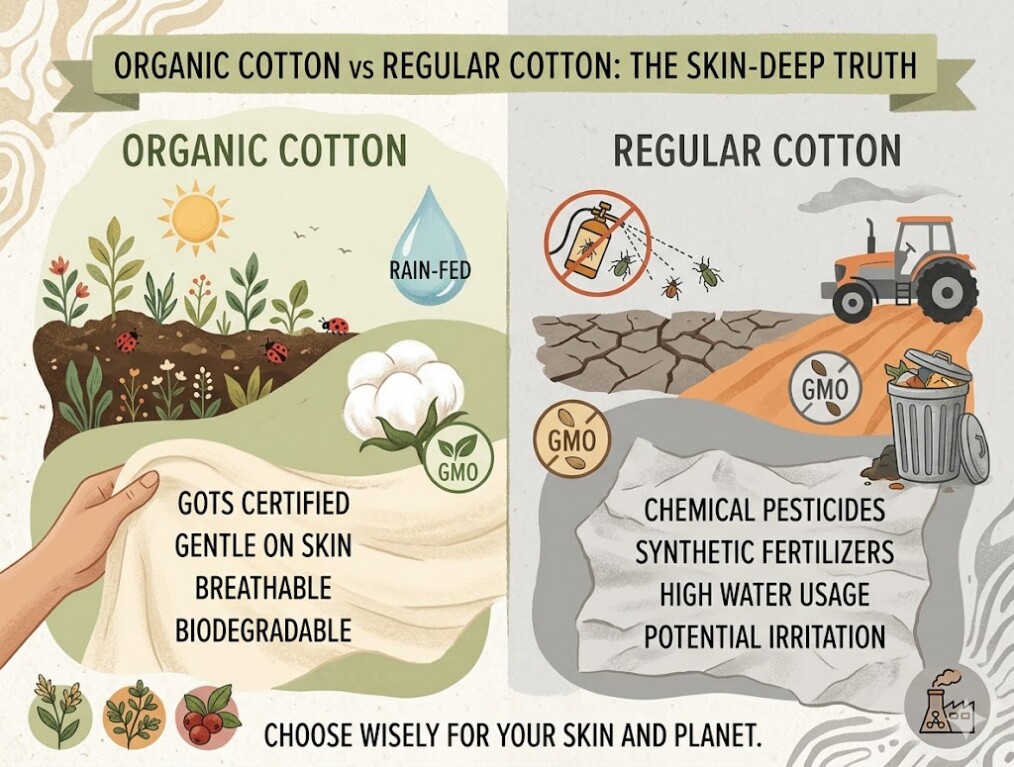
Conventional farming typically relies on genetically modified organisms (GMOs). These seeds are engineered to withstand massive applications of pesticides and herbicides. In contrast, organic farming strictly utilizes Non-GMO seeds. By rejecting genetic modification, organic farmers preserve biodiversity and allow plants to adapt naturally to their environment.
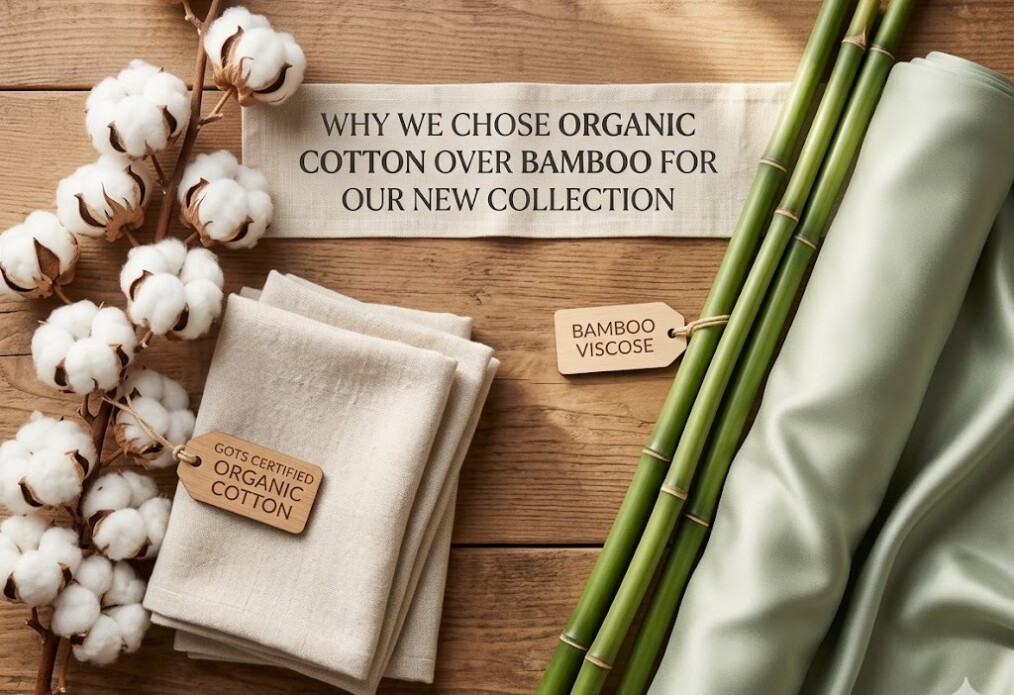
Furthermore, conventional monoculture farming growing the same crop in the same soil year after year strips the earth of essential nutrients, leading to soil degradation. Organic farming employs Crop rotation, a traditional and highly effective agricultural method. By rotating cotton with other crops, farmers naturally replenish soil health, disrupt pest cycles without chemicals, and promote a robust, living ecosystem underground. If you have ever wondered Why organic cotton over bamboo is frequently debated, it often comes down to this meticulous, soil-first approach that organic cotton requires.
Exploring the Benefits of organic cotton
When you make the switch to organic fibers, the positive ripple effects are massive. The Benefits of organic cotton extend far beyond the softness of the final garment; they offer profound ecological relief to our burdened planet.
Lower Water Consumption and No Synthetic Fertilizers
One of the most alarming aspects of conventional cotton is its insatiable thirst. According to the World Wildlife Fund (WWF), it takes approximately 2,700 litters of water to produce the cotton needed for a single t-shirt. Conventional systems often rely on intensive irrigation that depletes local water reserves. Conversely, organic cotton is predominantly rain-fed. By cultivating healthy, spongy soil through natural practices, organic fields retain moisture far more effectively, dramatically reducing Water consumption.
Additionally, organic farming strictly forbids the use of Synthetic fertilizers. Instead, it utilizes compost and organic matter to enrich the soil. Synthetic runoff from conventional farms is a leading cause of water pollution, creating toxic “dead zones” in nearby rivers and oceans. By eliminating these chemicals, organic agriculture protects local waterways and the communities that rely on them. While some consumers worry about a higher Sustainable Fashion Cost, the long-term savings in environmental restoration and public health make it a priceless investment.
Is organic cotton better for skin?
We often scrutinize the ingredients in our skincare, food, and cleaning products, but what about the textiles that sit against our largest organ for 24 hours a day? So, Is organic cotton better for skin? The short answer is an overwhelming yes.
Avoiding Skin irritation: Why It Is Dermatologist recommended
Our skin is highly porous and can absorb trace amounts of the substances it comes into contact with. Conventional garments often harbor residual pesticides, harsh scouring agents, and heavy metals from the manufacturing process. These hidden chemicals are frequent culprits behind unexplained rashes, eczema flare-ups, and chronic Skin irritation.
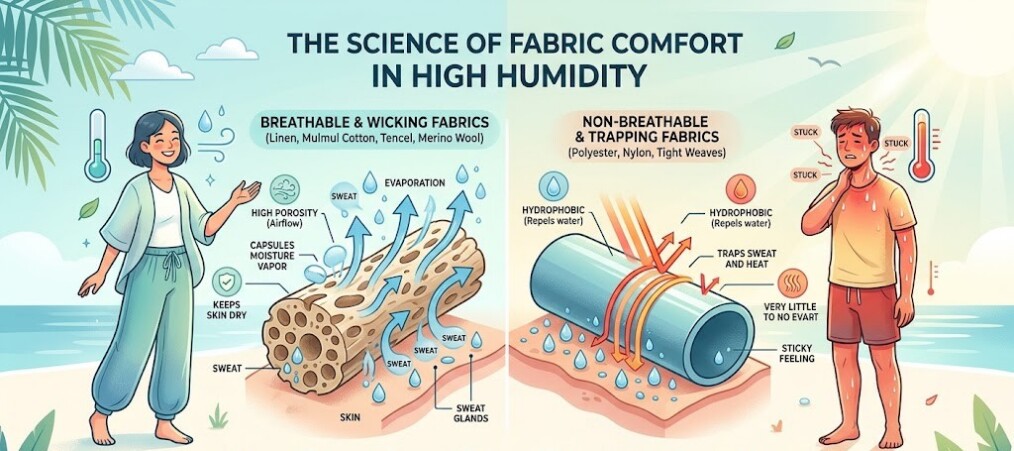
Because organic cotton is grown and processed without these toxic inputs, it is inherently hypoallergenic and incredibly gentle. It is no surprise that it is frequently Dermatologist recommended for individuals with sensitive skin, allergies, or dermatological conditions. Furthermore, organic fibers remain intact and un-weakened by harsh chemical processing, resulting in a supremely Breathable fabric. This makes it the ideal choice for warm-weather wardrobes, which you can explore further in our guide to the Best Clothing for Summer. For an exquisitely lightweight and breathable experience, exploring traditional weaves like Mul-Chanderi made with organic fibers offers unmatched comfort and elegance.
Formaldehyde-free Finishes and Natural dyes
The dangers of conventional textiles do not stop at the farm. During the finishing process, regular cotton is frequently treated with formaldehyde to make it “wrinkle-resistant” or “shrink-proof.” Formaldehyde is a known carcinogen and a severe respiratory and skin irritant. Organic cotton garments pride themselves on being completely Formaldehyde-free, ensuring that you aren’t sacrificing your health for convenience.
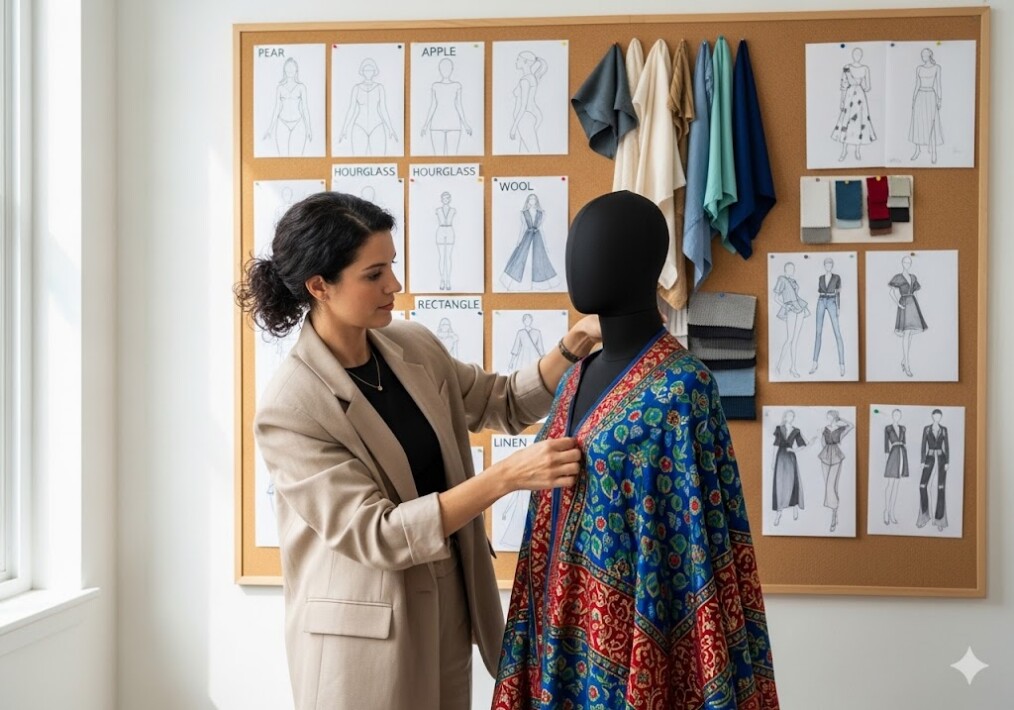
Also Read: Dressing for Your Body Type: A Professional Stylist’s Guide to Confidence
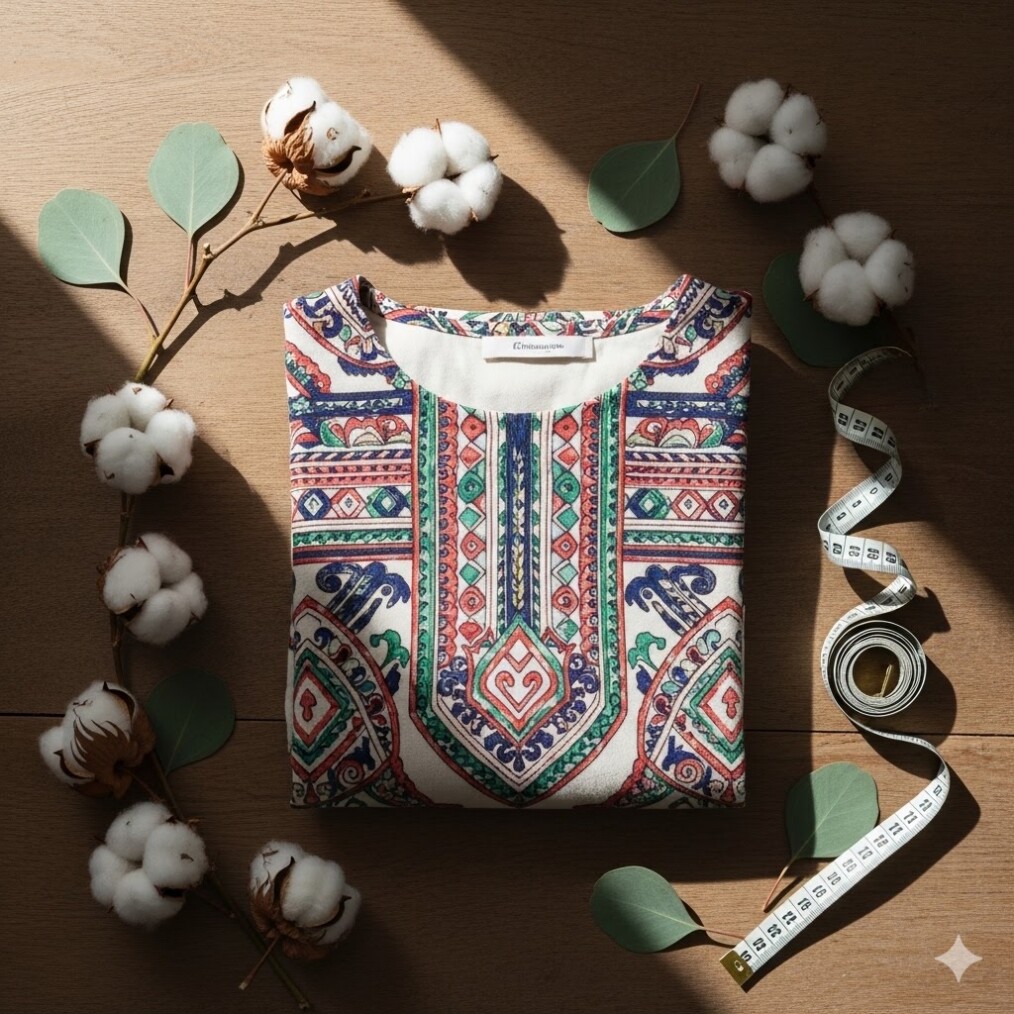
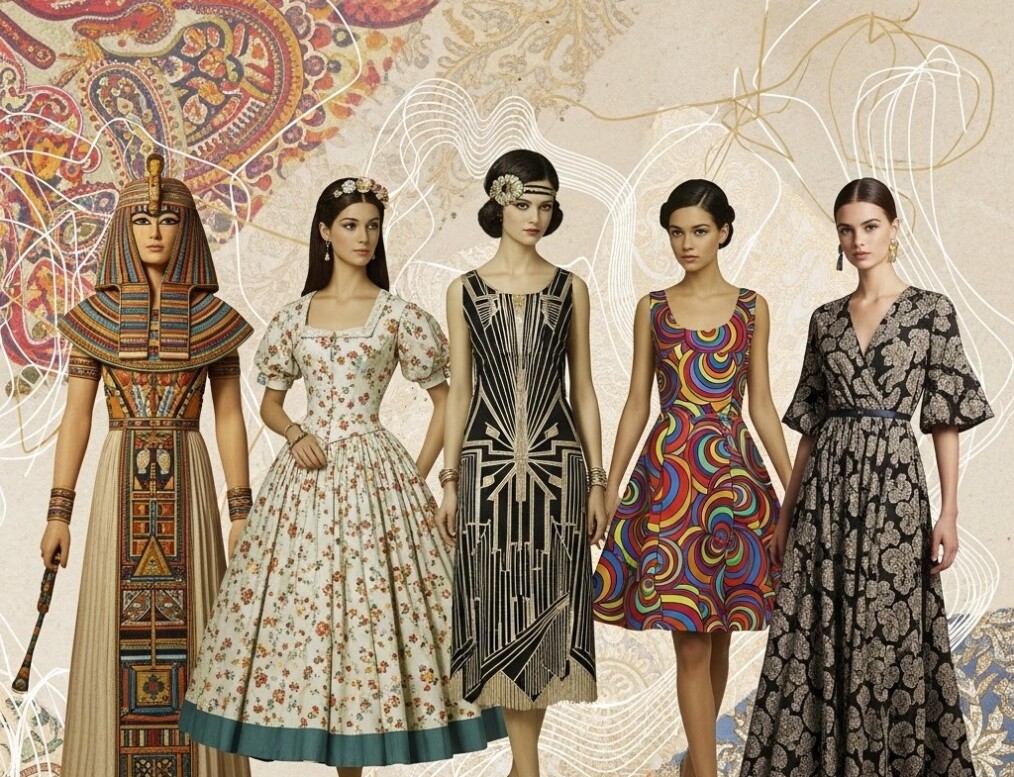
Colour is another hidden danger zone. Conventional dyeing uses heavy metals, azo dyes, and toxic fixing agents. Selecting the perfect shade for your skin tone is a fun exploration of warm vs cool palettes, but it shouldn’t come with chemical exposure. Organic garments utilize low-impact, non-toxic, or Natural dyes sourced from plants and minerals. If you look back at the History of Patterned Dresses, vibrant colours were originally achieved in harmony with nature a tradition that organic fashion is proudly reviving today.
Ethical sourcing and Why Being GOTS certified Matters
Sustainability isn’t just about the environment; it is deeply rooted in human rights. The conventional cotton industry is notorious for exploiting farmers and factory workers, exposing them to dangerous chemicals without proper protection, and paying unfair wages.
Ethical sourcing is the backbone of the organic movement. It ensures that the people who plant, harvest, and sew your clothing are treated with dignity, paid fairly, and provided a safe working environment. To guarantee these standards are met, you should always look for garments that are GOTS certified.
The Global Organic Textile Standard (GOTS) is the worldwide leading textile processing standard for organic fibers. Textile Exchange notes that a GOTS certification isn’t just an environmental promise; it is a rigorous, third-party verified guarantee. To earn this label, a garment must contain a minimum of 70% organic fibers and meet strict ecological and social criteria across the entire supply chain from the farm to the final stitch. When a garment is GOTS certified, you know exactly what you are getting.
Finally, at the end of its lifecycle, pure organic cotton is entirely Biodegradable. Unlike synthetic blends that sit in landfills for centuries releasing microplastics, a pure organic cotton dress can eventually return to the earth, leaving no toxic trace behind.
Understanding this cycle gives a whole new meaning to the clothes we wear. To see exactly how these principles are applied in real life, take a look at the transparent Journey of a Shero garment, mapping the care taken at every single step.
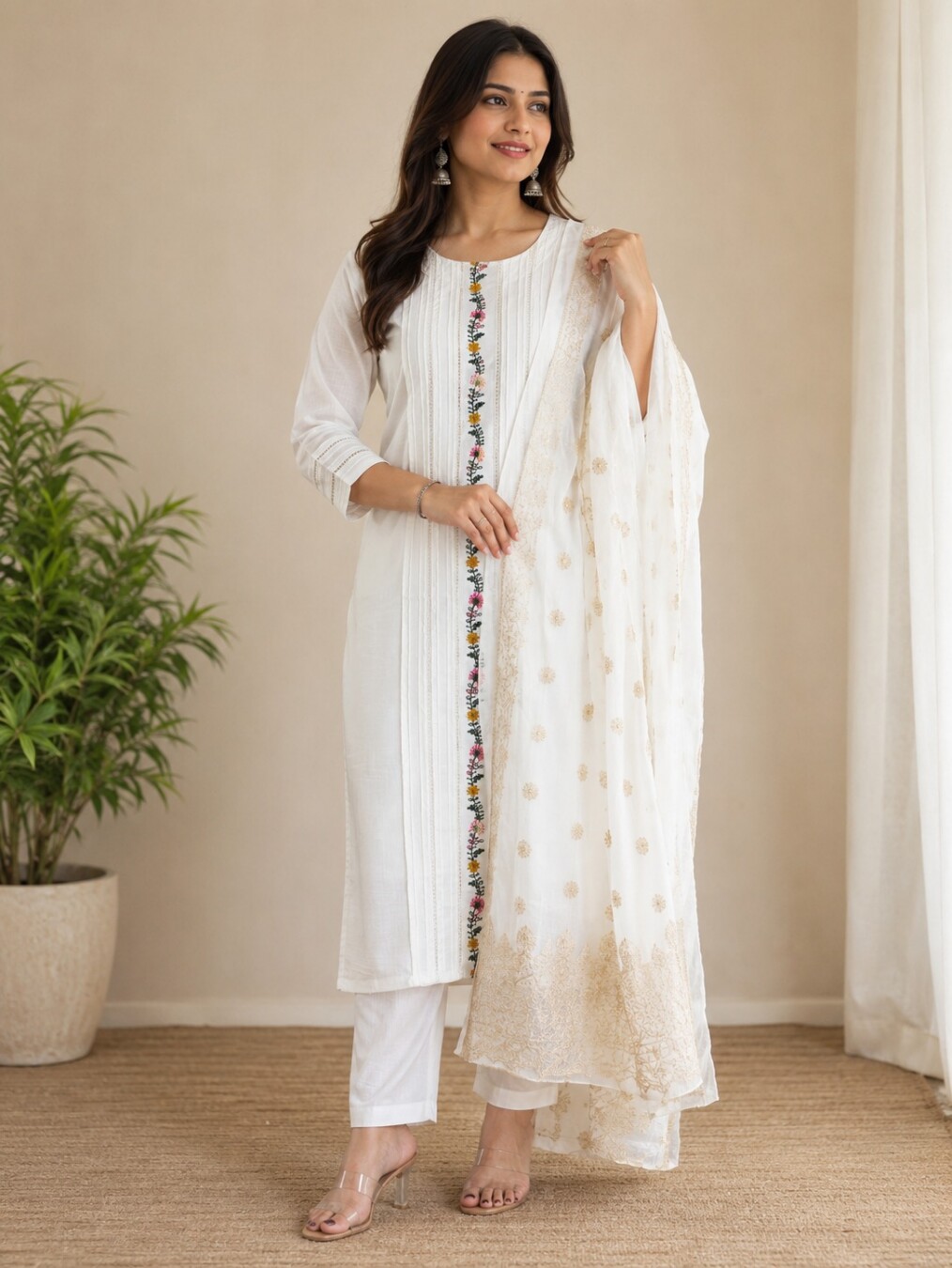
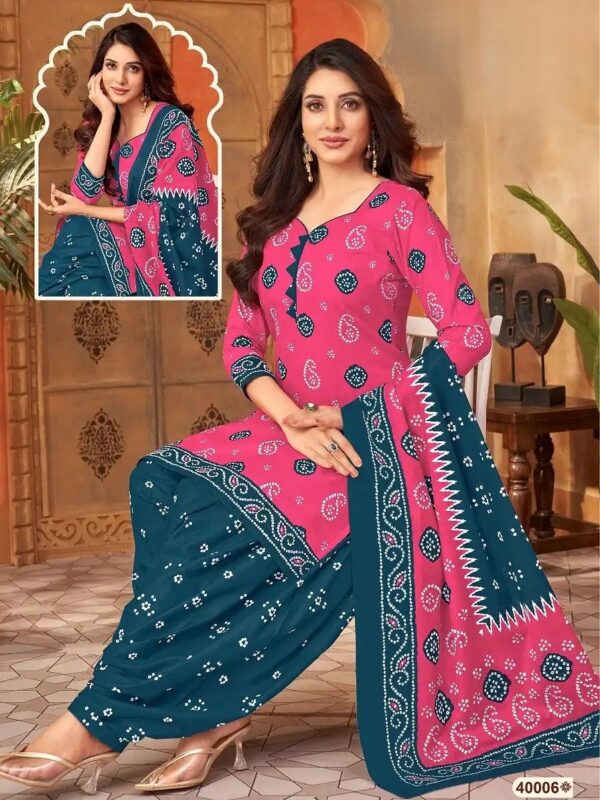
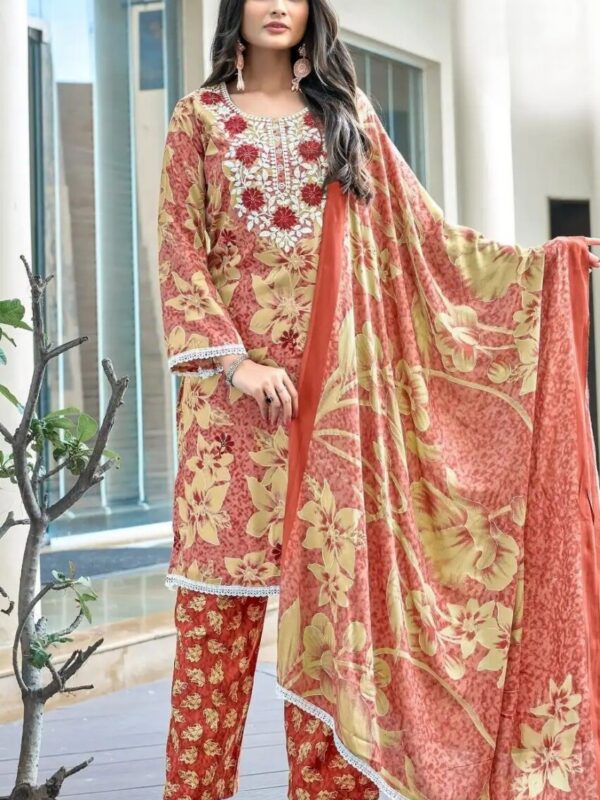
The truth about our textiles is more than skin deep. By choosing organic, you are voting for cleaner rivers, healthier soil, safer farming communities, and a kinder touch against your own skin. Ready to experience the difference for yourself? Browse our collection of dresses and discover fashion that feels as good on your conscience as it does on your skin.