For as long as humans have worn clothing, we have sought to decorate it. A dress is never just a garment; it is a canvas upon which history, status, and identity are painted. Patterns, in particular, serve as a visual language that transcends borders and centuries. From the hand-carved blocks of ancient India to the sophisticated algorithms of modern digital printing, the evolution of patterned dresses is a fascinating story of human ingenuity.
In this exploration, we trace the threads of history to see how patterns have shaped our world and continue to influence the top fashion trends in 2026.
Ancient Civilizations: The Birth of Motif
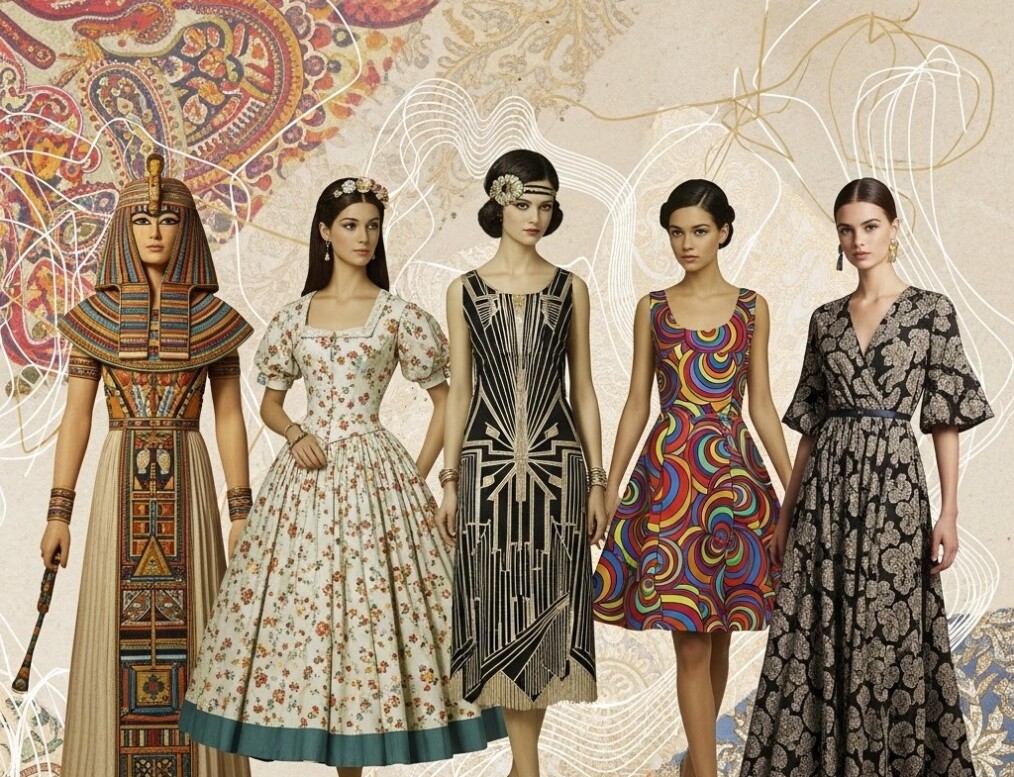
The story of the patterned dress begins thousands of years ago. In Ancient Egypt, while white linen was the standard for purity, the elite adorned themselves with intricate beadwork and geometric embroidery. Archeological finds have revealed “bead-net dresses” where thousands of faience beads were woven into lozenge patterns over linen shifts, creating a shimmering, patterned effect that signified high social standing.
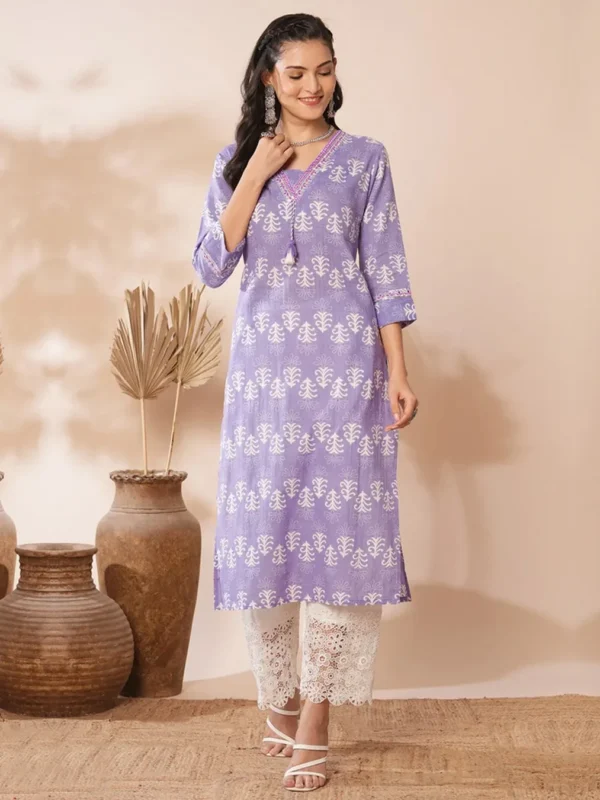
In the Roman Empire, patterns were often woven directly into the fabric. Stripes and borders (known as clavi) were used to denote rank and citizenship. However, it was in Ancient India that the art of the pattern truly flourished. India was the pioneer of mordant dyeing and woodblock printing. Ancient texts mention “Chitrasila” or printed cloth, featuring floral and animal motifs that were so vibrant they were exported to the far corners of the Roman and Chinese empires. Understanding the raw materials used in these ancient processes is essential for any fashion enthusiast; for a deeper dive into how fibers hold these dyes, check out the ultimate fabric guide.
Medieval and Renaissance Eras: The Luxury of Texture
As we moved into the Medieval period, the complexity of patterns evolved alongside weaving technology. The Silk Road brought exotic motifs from the East dragons, lotus flowers, and complex damasks—to the European courts. During the Renaissance, patterned dresses became a display of immense wealth.
The development of the drawloom allowed weavers to create incredibly intricate “brocades” and “velvets.” Patterns were no longer just printed on top; they were part of the fabric’s DNA. Floral scrolls, pomegranate motifs, and heraldic symbols were woven with gold and silver threads. These dresses were so heavy and expensive that they were often listed in royal wills as significant assets. The patterns of this era were designed to be viewed from a distance, symbolizing the “larger than life” status of the nobility.
18th and 19th Centuries: Industrialization and the “Paisley” Boom
The Industrial Revolution changed everything. Before the mid-18th century, a patterned dress was a luxury. By the 19th century, machine-printing made patterns accessible to the growing middle class.
Two major pattern movements defined this era:
- Florals and Calico: Small, repeating floral prints became the uniform of the Victorian woman. These were inspired by Indian “Chintz,” which had become so popular in the West that it was once banned in England and France to protect local wool industries!
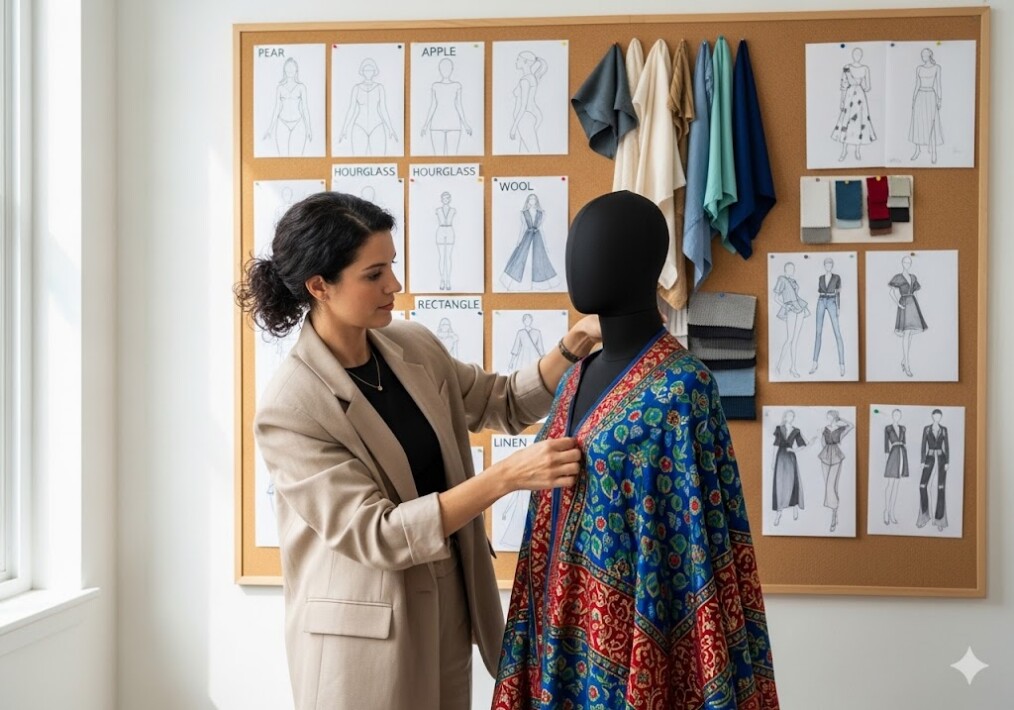
- The Paisley Revolution: Originally known as the Boteh motif from Persia and Kashmir, this teardrop pattern was woven into exquisite shawls. When the town of Paisley, Scotland, began mass-producing machine-woven versions, the pattern became a global staple.
By the late 1800s, stripes and polka dots also rose to prominence, often associated with seaside fashion and the dawning of “leisure wear.”
Early 20th Century: Art Nouveau to Art Deco
The turn of the century saw fashion break away from the rigid structures of the Victorian era, and patterns followed suit.
- Art Nouveau (1890–1910): Patterns became organic, flowing, and inspired by nature. Think of the swirling lily pads and asymmetrical vines found in the designs of the era.
- Art Deco (1920s): Following World War I, the mood shifted to optimism and modernity. Patterns became geometric, bold, and symmetrical. The “Flapper” dress often featured sunbursts, zig-zags, and chevron patterns, reflecting the architectural wonders of the time like the Chrysler Building.
This era also saw the impact of new chemical dyes, which allowed for brighter, more “electric” colors that didn’t fade as easily as the vegetable dyes of the past.
Mid-20th Century: From Polka Dots to Psychedelia
Post-World War II fashion was a tale of two halves. The 1950s embraced “feminine” patterns—large cabbage roses, gingham checks, and the iconic polka dot. Christian Dior’s “New Look” utilized massive amounts of patterned fabric to create full, romantic silhouettes that celebrated the end of wartime rationing.
The 1960s and 70s flipped the script. This was the era of “Psychedelia.” Influenced by pop art and the hippie movement, patterns became loud, distorted, and vibrantly colorful. Designers like Emilio Pucci created “kaleidoscope” prints that became synonymous with the jet-set lifestyle. Simultaneously, the rise of synthetic fabrics like polyester meant that these bold patterns could be produced cheaply and in massive quantities.
Late 20th Century to Present: The Digital Frontier
Today, we live in the golden age of pattern design. The invention of Digital Textile Printing in the 1990s removed almost all technical limitations. Designers can now take a high-resolution photograph or an AI-generated artwork and print it directly onto fabric with millions of colors.
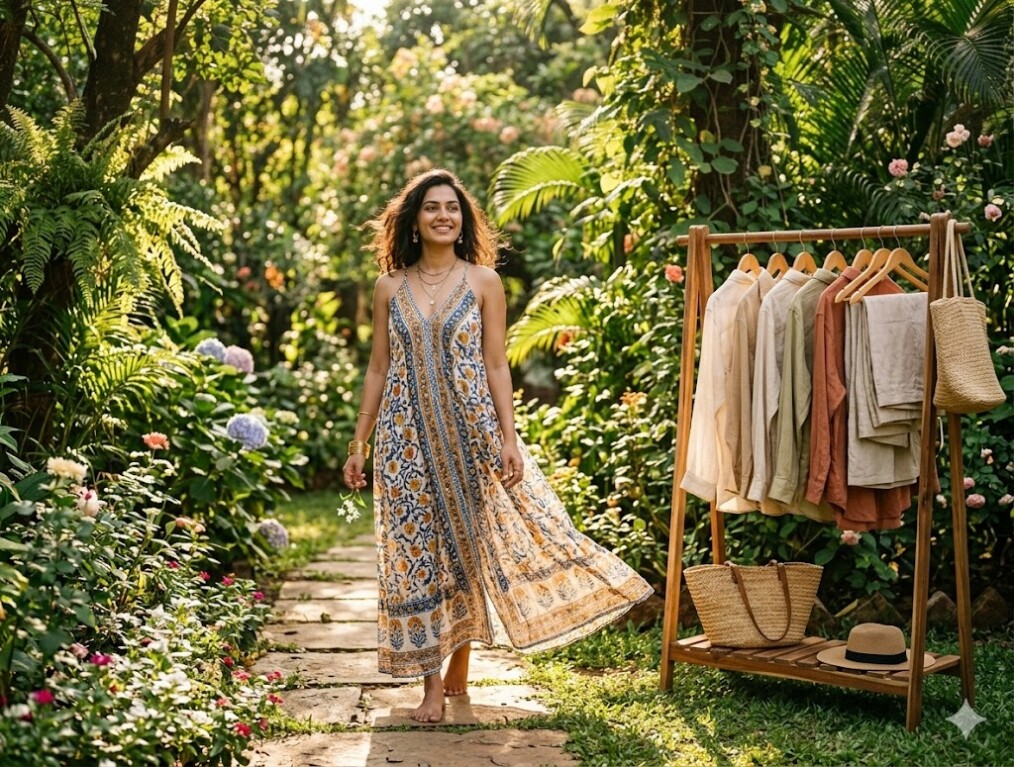
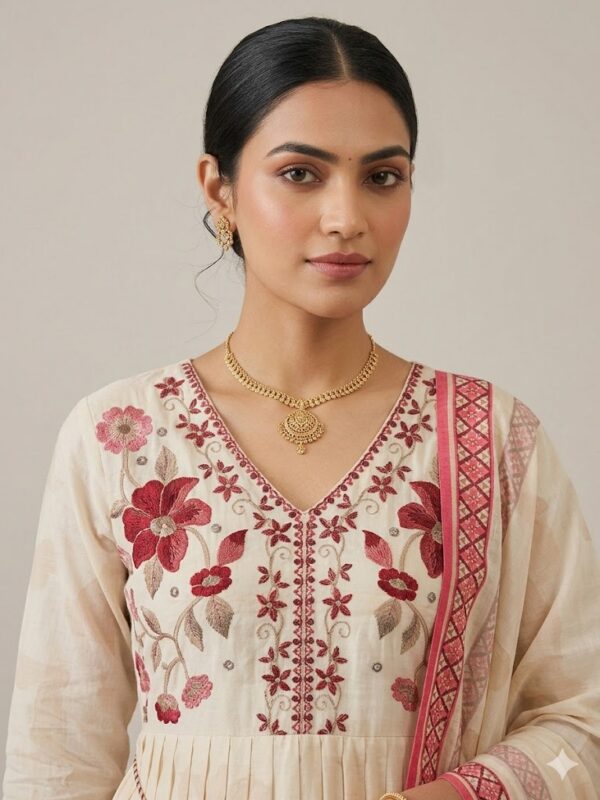
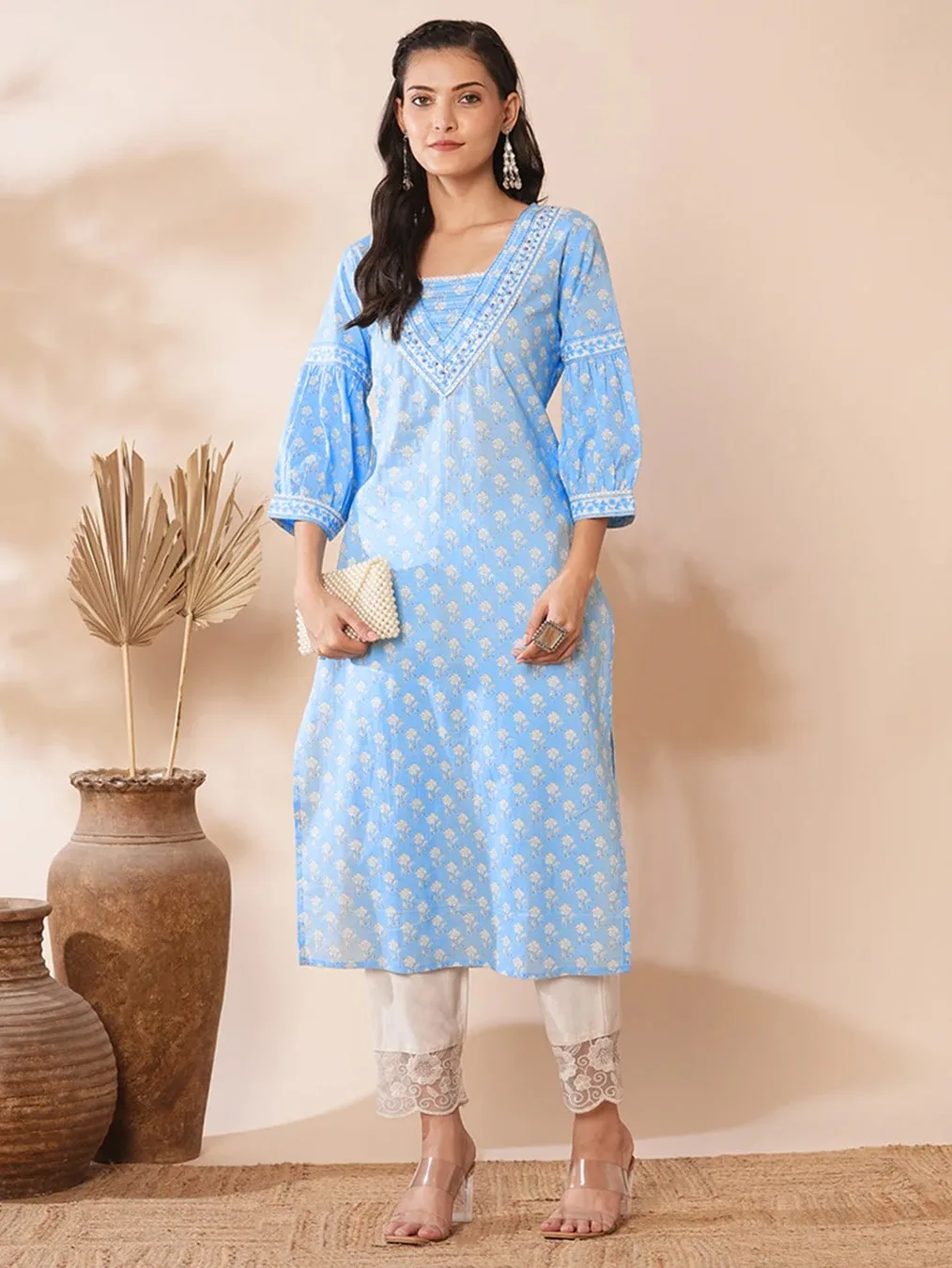
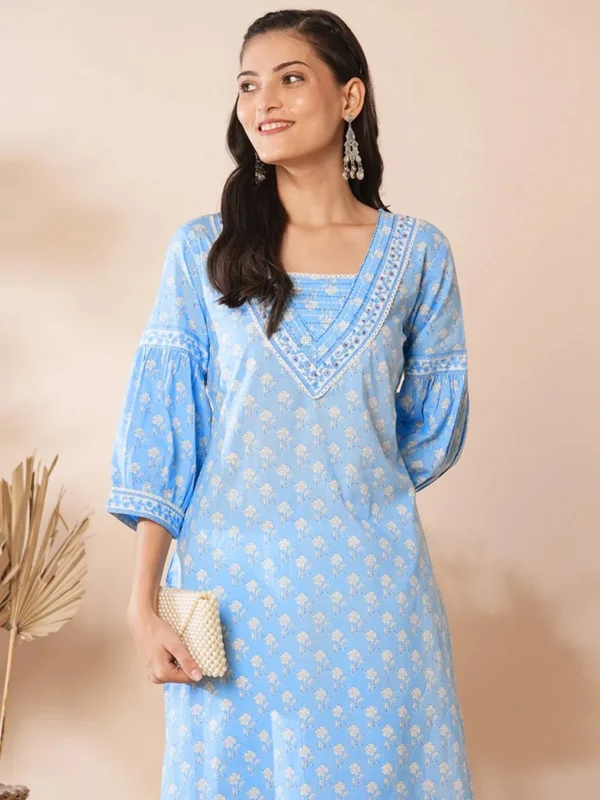
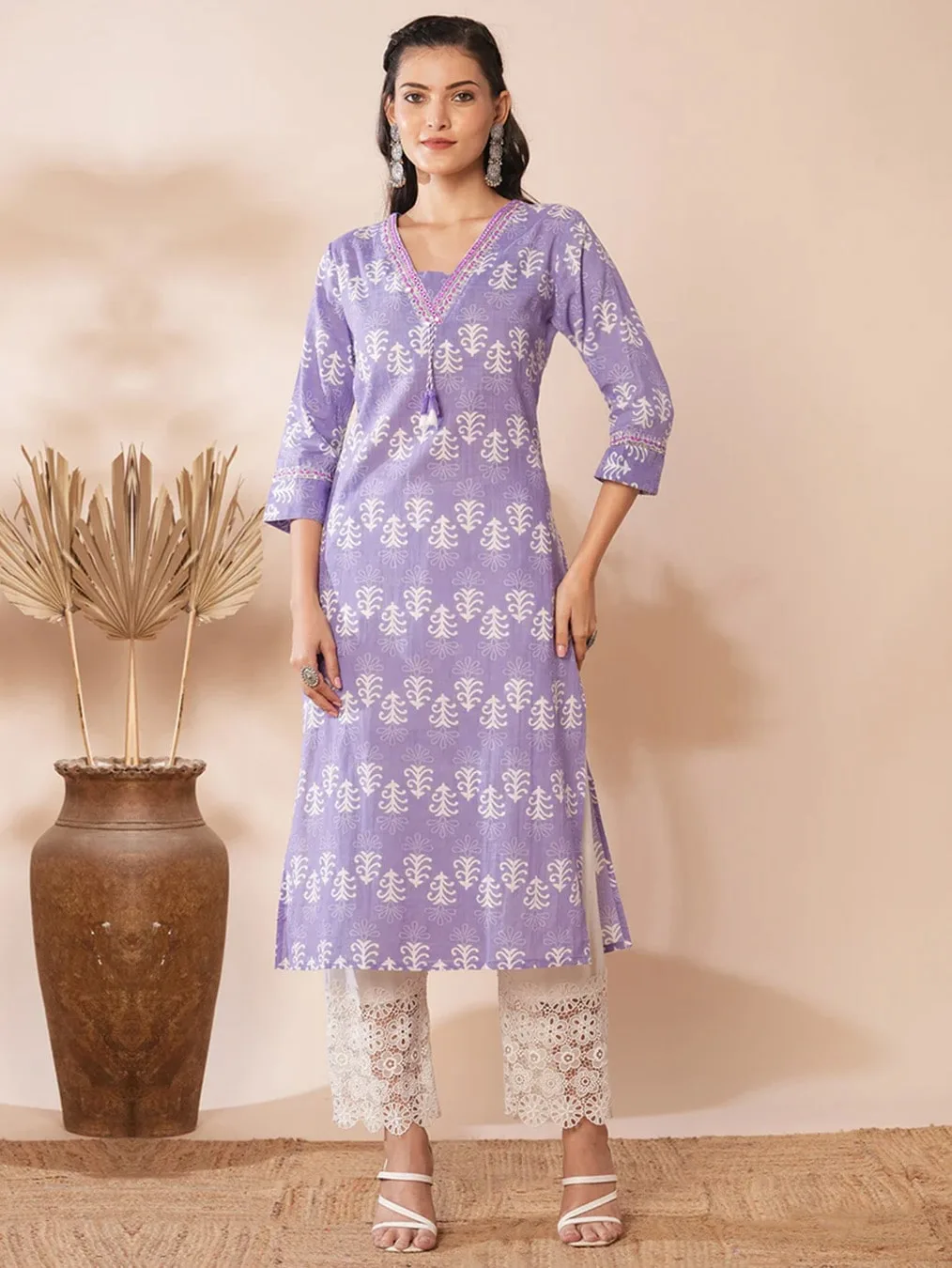
However, the modern era is also characterized by a “vintage resurgence.” We are seeing a return to artisanal roots—block prints, hand-painted motifs, and heritage weaves are more popular than ever as a response to fast fashion. Contemporary designers are also using patterns to address sustainability, utilizing water-less printing technologies and eco-friendly dyes.
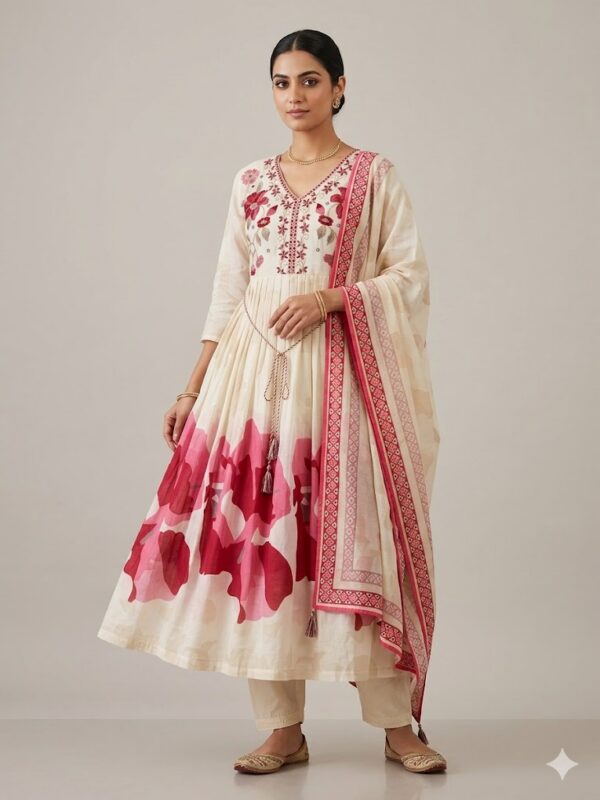
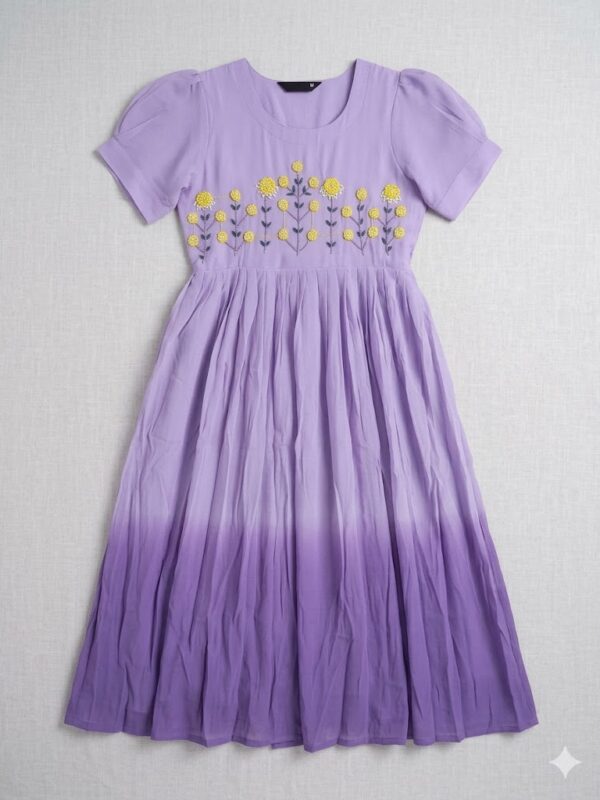
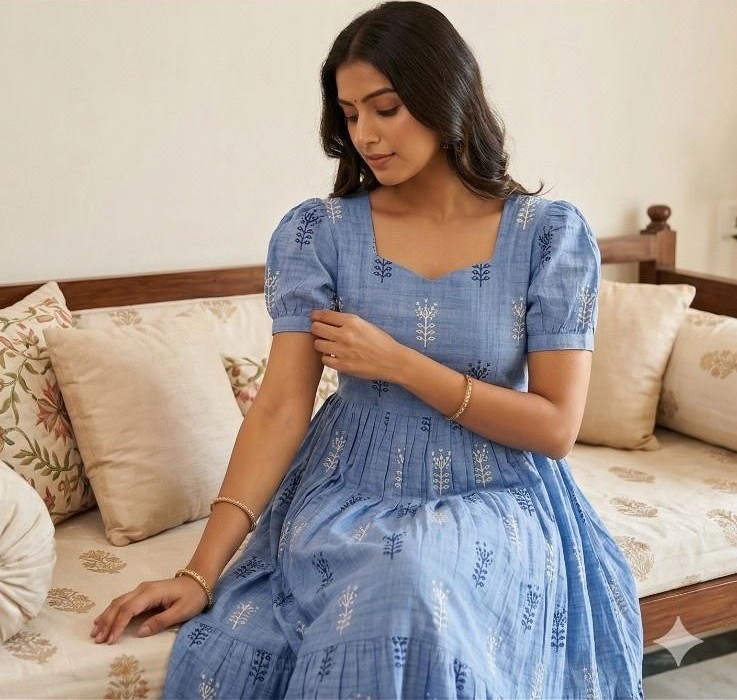
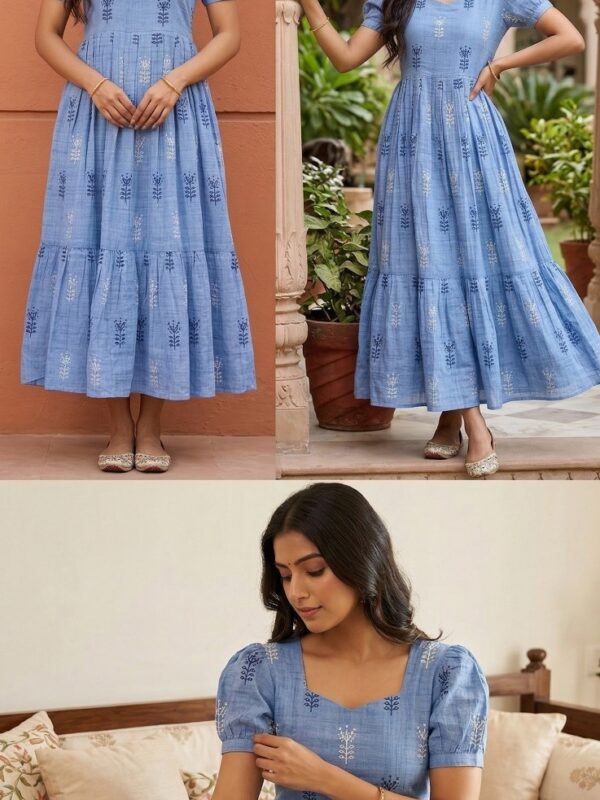
Looking at our collection of dresses, you can see how this history culminates in modern fashion. A stunning example of this fusion is the multi-colour mul chanderi frock. It combines the ancient Indian heritage of Chanderi fabric with a vibrant, multi-colored pattern that feels both historical and perfectly suited for today.
Cultural Significance and Technology
Throughout history, patterns have served as more than just decoration. In many African cultures, Kente cloth patterns tell specific stories or proverbs. In Scotland, Tartans signify clan identity. In modern times, patterns are used as a form of rebellion or a statement of individuality.
Technological advancements from the first wooden block to the latest digital inkjet have dictated who can wear these patterns and how they are perceived. What was once the sole domain of kings is now available to everyone, allowing us all to participate in the rich tapestry of fashion history.
Conclusion
The history of the patterned dress is a testament to our enduring desire for beauty and self-expression. As we look forward to the top fashion trends in 2026, it is clear that we will continue to borrow from the past while utilizing new technologies to push the boundaries of design.
Whether you prefer the soft romanticism of a Victorian floral or the bold geometry of Art Deco, patterns allow us to wear our history on our sleeves. To find your own piece of this timeless narrative, we invite you to explore our collection of dresses and discover how patterns can transform your style today.