Introduction
You find the perfect summer dress beautiful color, flattering cut, and exactly your style. But after a few wears, it either loses its shape, feels too clingy in the heat, or starts to look worn out. Sound familiar?
What many shoppers overlook in this scenario is fabric weight. While we often focus on design, color, or trend, the weight of the fabric quietly determines how a dress drapes, feels, and lasts.
Understanding fabric weight for summer dresses isn’t just a technical detail it’s the difference between a dress that looks effortlessly chic all season and one that disappoints after a few outings.
What Is Fabric Weight?
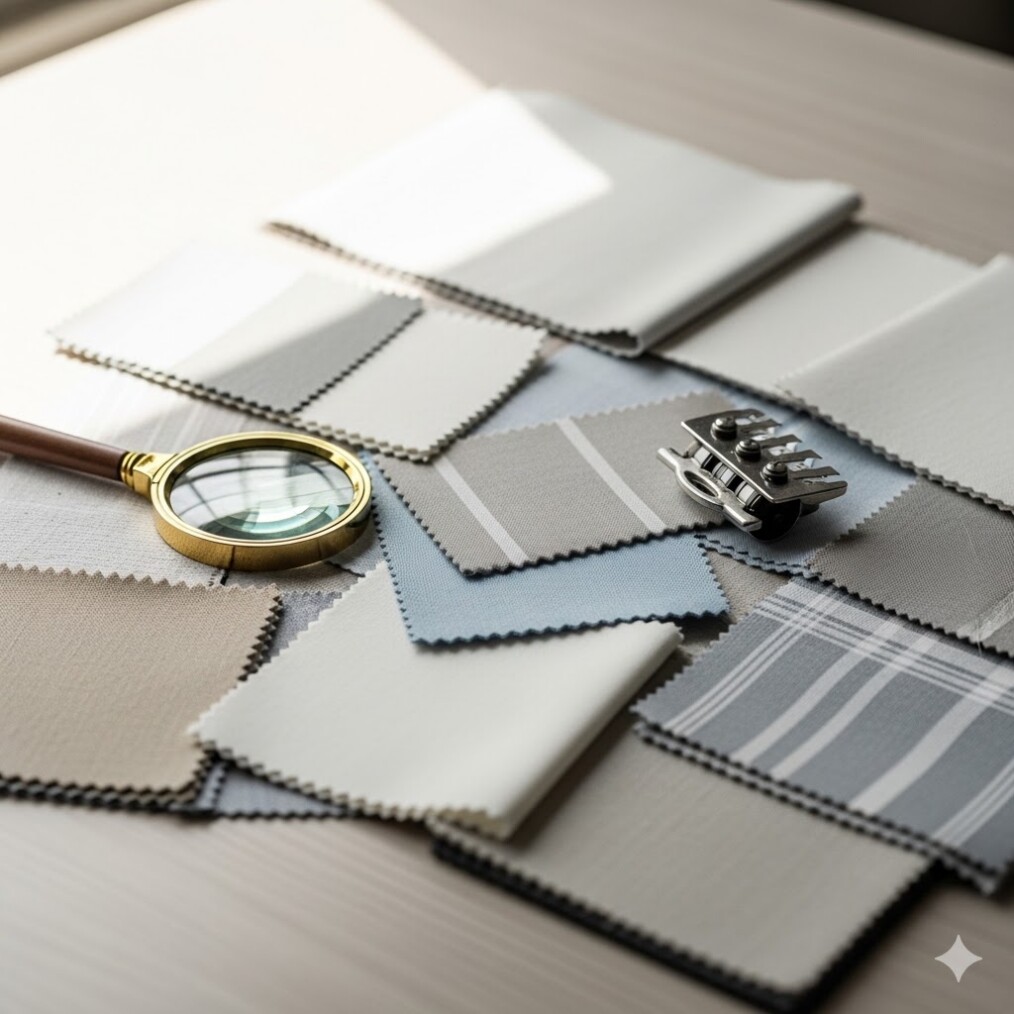
Fabric weight refers to how heavy or light a material is, typically measured in GSM (grams per square meter). Think of it as the density of the fabric how much material is packed into a square meter.
GSM Fabric Guide (Simplified)
- Lightweight fabrics (under 150 GSM)
Airy, soft, and breathable
Examples: cotton voile, chiffon, georgette - Medium-weight fabrics (150–300 GSM)
Balanced structure and comfort
Examples: linen, cotton poplin, rayon blends - Heavyweight fabrics (300+ GSM)
Thick, structured, and durable
Examples: denim, heavy twill, canvas
For summer dresses, most options fall within the lightweight to medium-weight range but even within that spectrum, small differences in GSM can dramatically change how a dress behaves.
Impact on Silhouette
The dress silhouette how a dress falls, flows, and frames the body is directly influenced by fabric weight.
Light Fabrics: Flow, Movement, and Airiness
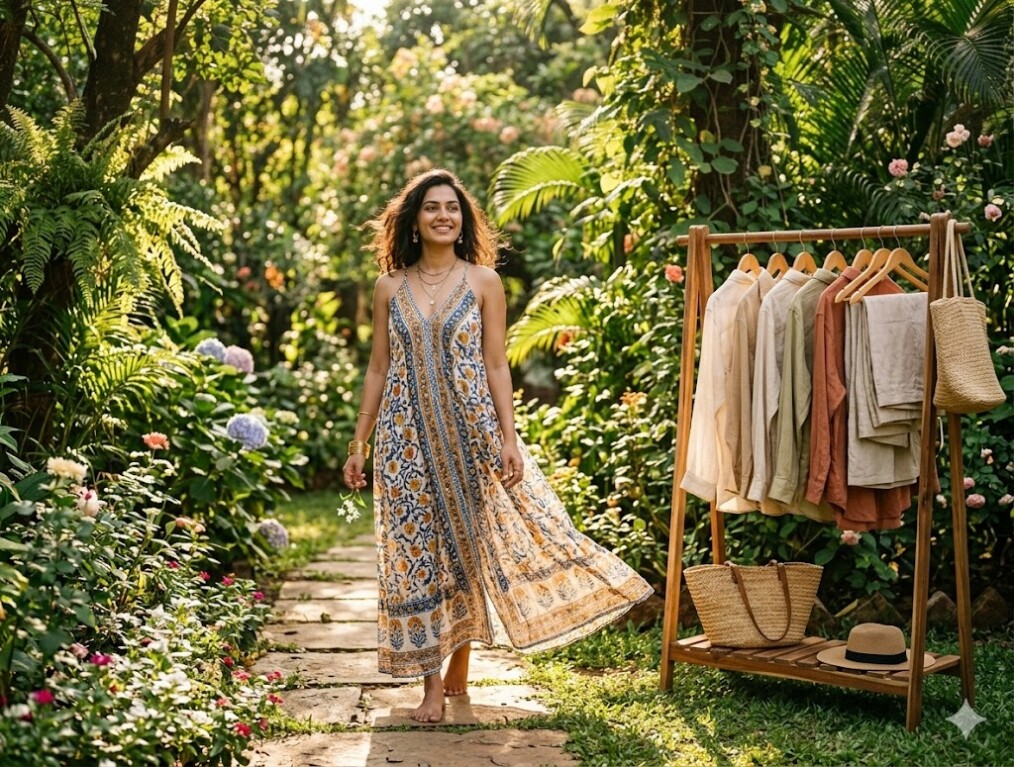
Lightweight fabrics create that dreamy, floaty look often associated with summer fashion. They move with the body, catch the breeze, and feel barely there.
Best for:
- Maxi dresses with fluid movement
- Tiered or ruffled designs
- Beachwear and vacation looks
Example:
A cotton voile dress will softly skim the body, creating a romantic, airy silhouette. However, it may cling slightly depending on humidity and body movement.
Styling Insight:
- Ideal for petite frames, as they don’t overwhelm the body
- Great for hot climates due to breathability
- May require layering if too sheer
Medium-Weight Fabrics: Structure Meets Comfort
This is where function meets fashion. Medium-weight fabrics offer enough body to hold shape while still being breathable.
Best for:
- A-line dresses
- Shirt dresses
- Wrap dresses
Example:
Linen dresses are a summer staple. They hold a defined shape without feeling heavy, giving a polished yet relaxed look.
Styling Insight:
- Flattering for most body types
- Helps define waistlines and structure
- Less prone to clinging compared to lightweight fabrics
Heavy Fabrics: Structure and Definition
Heavy fabrics aren’t the obvious choice for summer but they play a role, especially in tailored or evening wear.
Best for:
- Structured mini dresses
- Denim summer dresses
- Statement silhouettes
Example:
A lightweight denim dress (still relatively heavy compared to cotton voile) creates a bold, sculpted shape that holds its form throughout the day.
Styling Insight:
- Ideal for creating sharp silhouettes
- Works well for evening or air-conditioned environments
- Can feel restrictive in high heat
Impact on Longevity
Beyond aesthetics, fabric weight significantly influences fabric durability how well your dress holds up over time.
Lightweight Fabrics: Delicate and Short-Lived
While breathable and comfortable, lighter fabrics tend to wear out faster.
Common issues:
- Thinning after multiple washes
- Snagging or tearing easily
- Loss of shape
Example:
A chiffon dress might look stunning initially but may show signs of wear after a few washes if not handled carefully.
Medium-Weight Fabrics: The Sweet Spot
Medium-weight fabrics strike a balance between comfort and durability.
Benefits:
- Better resistance to wear and tear
- Maintains shape over time
- Suitable for regular use
This is why many high-quality summer dress materials fall into this category.
Also Read: The Best Clothing for This Summer
Heavyweight Fabrics: Built to Last
Heavier fabrics are naturally more durable due to their density.
Advantages:
- Long-lasting structure
- Resistant to damage
- Retains form even after frequent use
However, they may not always be practical for hot weather.
Care Tips to Extend Fabric Life
Regardless of weight, proper care can significantly extend a dress’s lifespan:
- Wash lightweight fabrics on gentle cycles
- Avoid high heat drying
- Store dresses properly to prevent stretching
- Use mild detergents for delicate materials
Choosing the Right Fabric Weight for Summer Dresses
Selecting the right fabric weight isn’t just about preference it’s about context.
Climate Considerations
- Hot & humid climates:
Opt for lightweight fabrics (under 150 GSM) - Warm but breezy climates:
Medium-weight fabrics offer versatility - Indoor or evening wear:
Slightly heavier fabrics can work comfortably
Occasion-Based Recommendations
Casual Wear:
- Cotton voile, rayon, or light linen
- Prioritize breathability and comfort
Workwear:
- Cotton poplin or structured linen
- Offers a polished silhouette
Events & Evenings:
- Blended fabrics with slightly higher GSM
- Better shape retention and elegance
Practical Shopping Tips
When shopping for fabric weight summer dresses, keep these in mind:
- Feel the fabric: Heavier doesn’t always mean better look for balance
- Check transparency: Lightweight fabrics may require lining
- Look at drape: Hold the dress and see how it falls
- Read labels: Some brands mention GSM or fabric type
Common Mistakes to Avoid
Even style-savvy shoppers make these fabric-related mistakes:
1. Choosing Fabric Based Only on Appearance
A dress may look stunning on the rack but behave differently when worn. Always consider how the fabric will move and feel.
2. Ignoring Transparency
Lightweight fabrics can be unexpectedly sheer, especially in sunlight. This affects both comfort and confidence.
3. Overlooking Drape
Drape determines how a dress flows. Two fabrics with similar weights can behave very differently depending on weave and fiber.
4. Neglecting Wear Resistance
A delicate dress may not be ideal for frequent use. Consider how often you’ll wear it before choosing ultra-light fabrics.
Conclusion
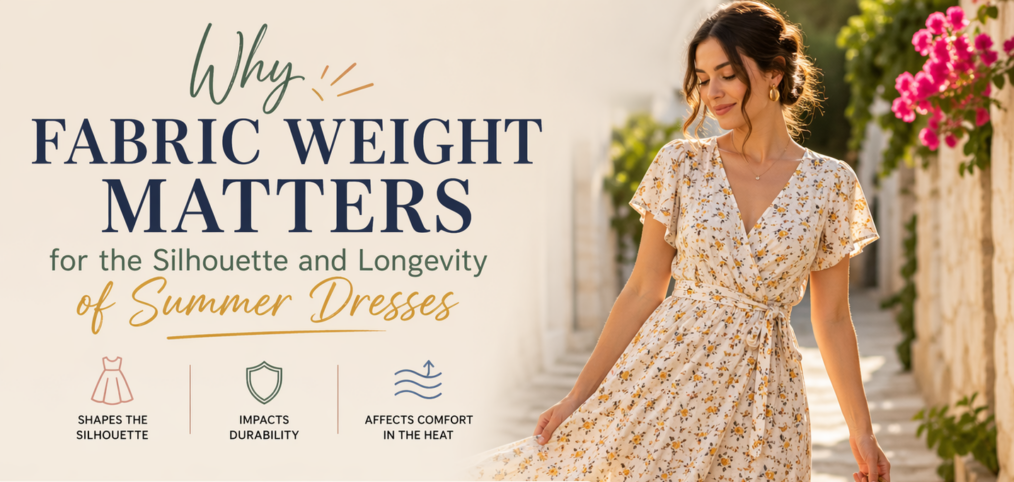
Fabric weight is the unsung hero of summer fashion. It shapes the way a dress looks, feels, and lasts impacting everything from silhouette to durability.
Understanding the basics of GSM, fabric types, and how they behave allows you to make smarter, more intentional choices. Whether you’re shopping for a breezy vacation dress or a structured work outfit, the right fabric weight ensures you get both style and longevity.
Next time you shop for a summer dress, don’t just look at the design feel the fabric, consider its weight, and imagine how it will move with you. That small shift can transform the way you experience your wardrobe.