Have you ever stepped outside your front door and felt like you were instantly enveloped in a hot, wet blanket? If you live in or are traveling to a region that experiences sweltering, muggy summers, you know exactly what I am talking about. Dealing with high humidity is an entirely different beast compared to dry heat. It is a suffocating, sticky environment where your standard summer wardrobe might suddenly feel heavy, clingy, and unbearable.
If you find yourself frantically searching for what to wear in 90% humidity, you are not alone. The secret to surviving and thriving in these conditions isn’t necessarily about wearing less clothing; it is fundamentally about wearing the right textiles. When you wear garments crafted from the best fabrics for high humidity, you transform your daily experience from a sweaty struggle into a breeze.
In this comprehensive guide, we will dive deep into the “Science of Comfort” to uncover why certain materials work miracles, rank the most breathable fabrics for hot humid weather, and provide styling tips on how to stay cool in humid weather fashion. Let’s decode your wardrobe for the tropics.
The Science of Comfort: How Humidity Hijacks Your Body’s Cooling System
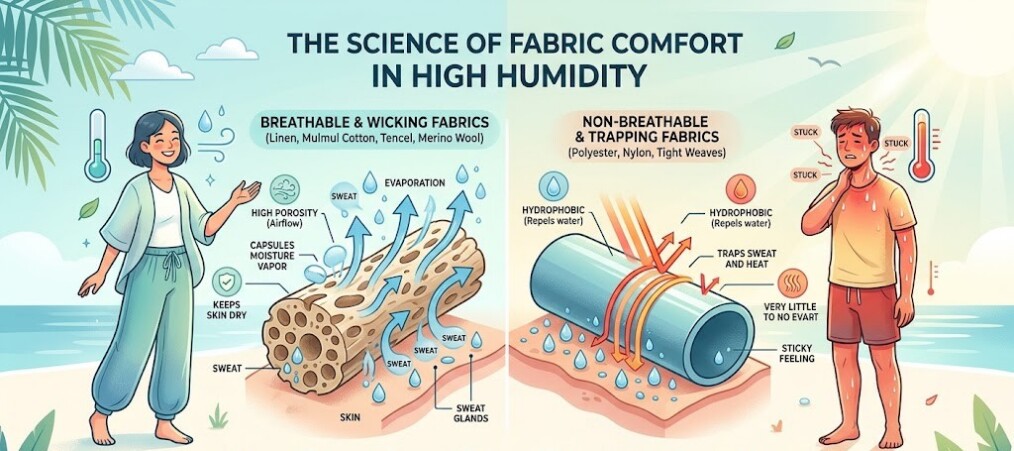
To truly understand what makes a fabric effective in sticky weather, we have to look at the science of human thermoregulation. Your body has a built-in air conditioning system: sweating. When you get hot, your sweat glands release moisture onto your skin. In a dry climate, this moisture evaporates quickly into the surrounding air, pulling latent heat away from your skin and cooling you down.
However, in a high-humidity environment, the air is already heavily saturated with water vapor. Because the air cannot absorb much more moisture, your sweat simply sits on your skin, failing to evaporate. This stalled evaporation is exactly why 30°C (86°F) with 90% humidity feels infinitely hotter and more uncomfortable than 35°C (95°F) in a dry desert.
When you introduce clothing into this equation, the fabric acts as an interface between your skin and the humid air. If you wear tight, synthetic materials, you create an impenetrable barrier. The sweat gets trapped, your core temperature rises, and the fabric clings to your body.
To combat this, you need fabrics that perform two critical scientific functions:
- High Porosity (Breathability): The fabric must allow maximum airflow so whatever dry air is available can reach your skin.
- Moisture Management: The fabric must either absorb moisture rapidly and release it, or actively wick it away from the skin using capillary action.
According to research from institutions like ScienceDirect’s Textile Engineering database, materials with hydrophilic (water-loving) properties that are loosely woven perform the best in these extreme environments. This is the foundation of finding clothes that don’t stick to skin in humidity.
The Ultimate Champions: Best Fabrics for High-Humidity Climates
When the air feels thick enough to drink, these are the moisture wicking natural fabrics you want in your closet. These textiles have been engineered by nature (and refined by human weaving techniques) to provide maximum comfort. For an even broader look at textiles beyond just summer wear, you can bookmark our comprehensive the ultimate fabric guide.
1. Linen: The Uncontested King of Humidity
Linen is derived from the flax plant and is widely considered the absolute best fabric for muggy weather. What makes linen scientifically superior? Its fibers are incredibly strong, highly absorbent, and critically, very stiff.
Because linen fibers are stiff, the fabric does not cling to the body. It naturally stands away from the skin, allowing for continuous airflow and creating a micro-climate of circulating air around your torso. Furthermore, linen can absorb up to 20% of its weight in moisture before it even starts to feel damp. If you are looking for lightweight clothes for tropical climates, loose-fitting linen trousers and shirts should be your first line of defence.
2. Specialized Cottons (Mulmul and Chambray)
Cotton is a classic summer staple, but not all cotton is created equal when the humidity spikes. Heavy cotton tees will absorb sweat but hold onto it, leaving you feeling like you are wearing a damp sponge. The trick is to look for ultra-lightweight, loosely woven cottons.
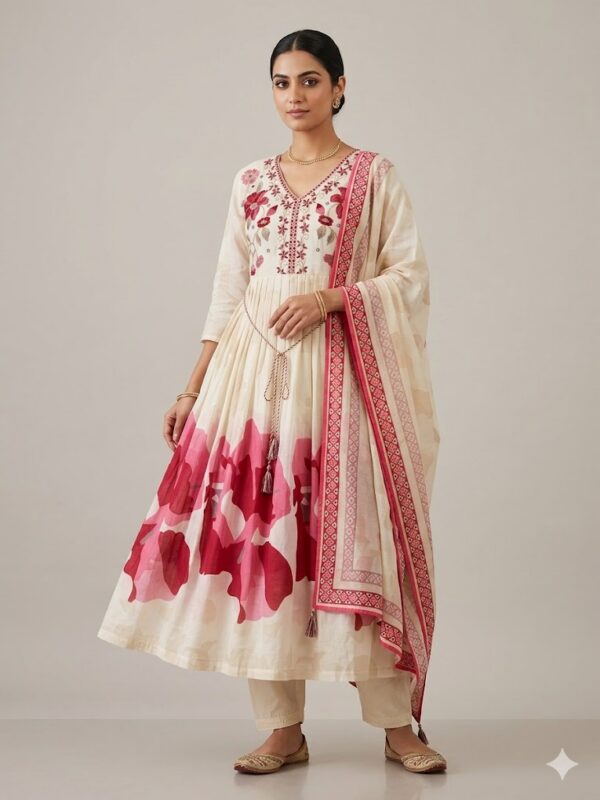
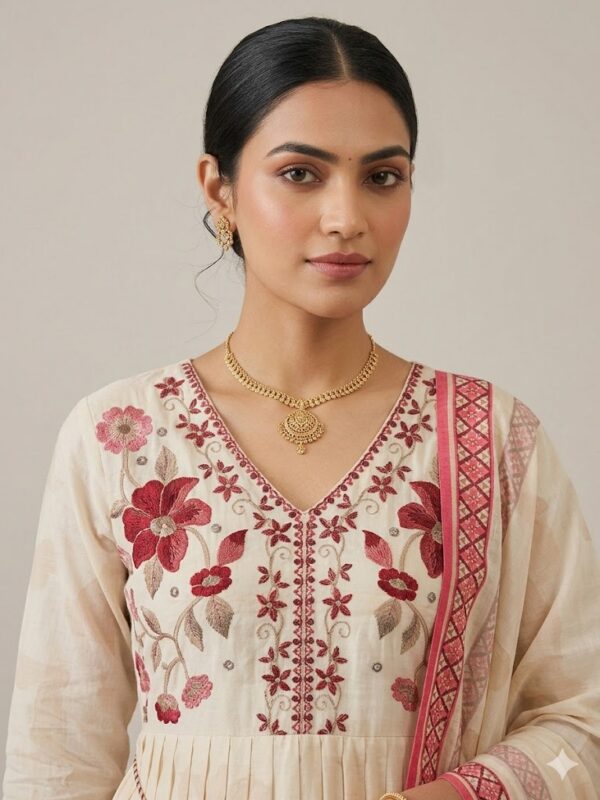
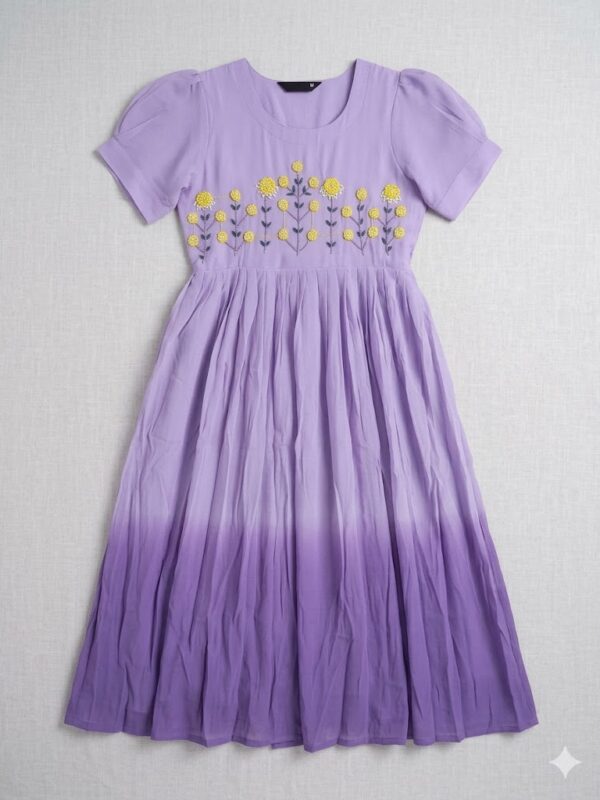
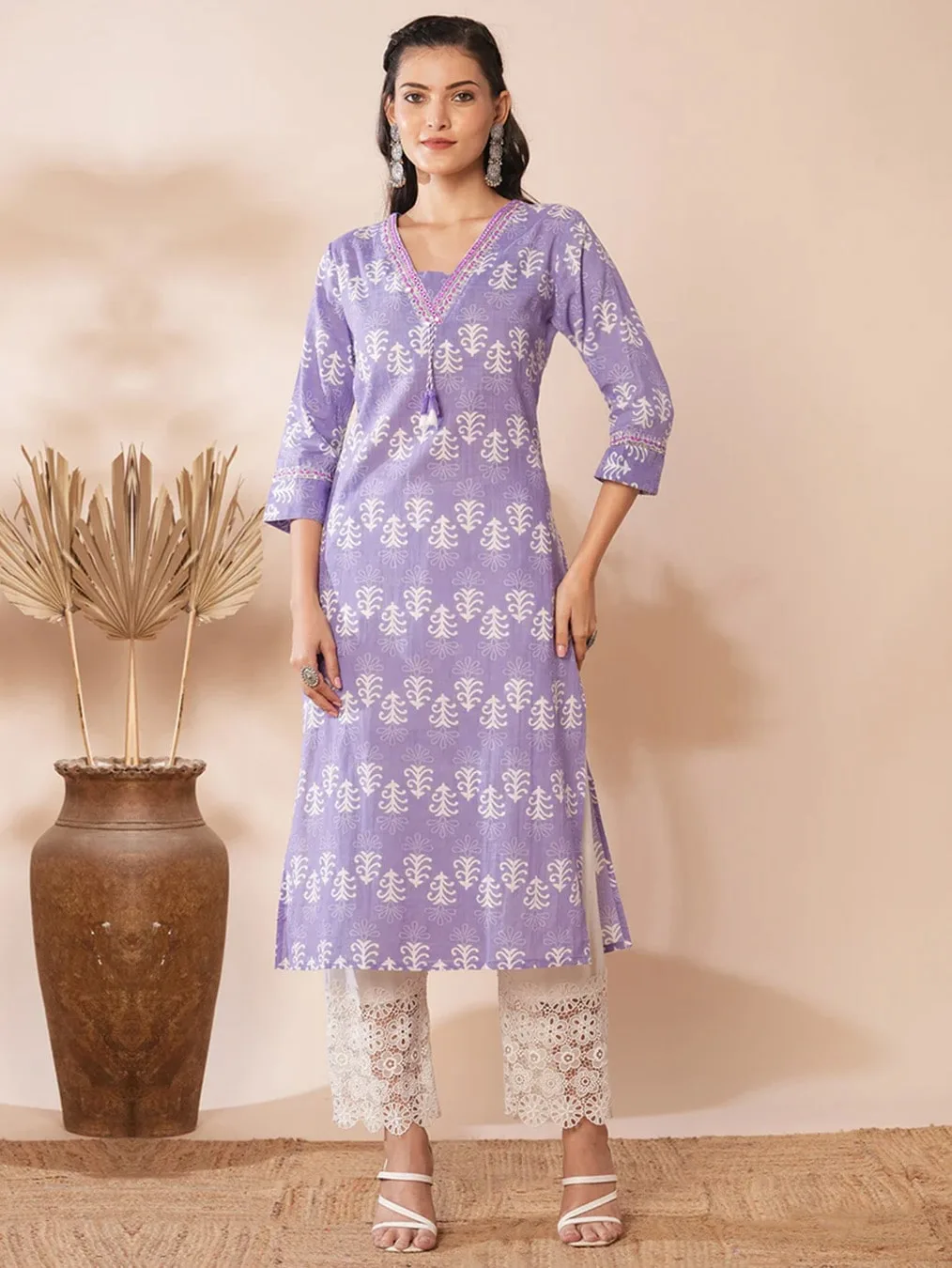
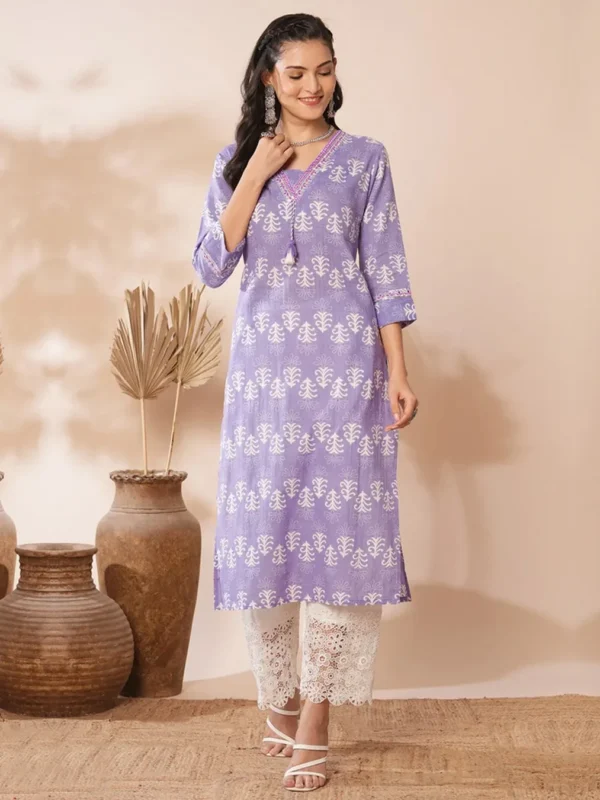
One of the absolute best summer fabrics for women in South Asia and beyond is Mulmul (or Mul cotton). This finely woven, almost sheer muslin cotton is incredibly airy and soft against the skin. It allows heat to escape instantly. If you are curious about how this beautiful fabric feels and drapes, take a look at our stunning Multi-colour Mul-Chanderi frock, which perfectly marries traditional weaving with modern, breathable comfort.
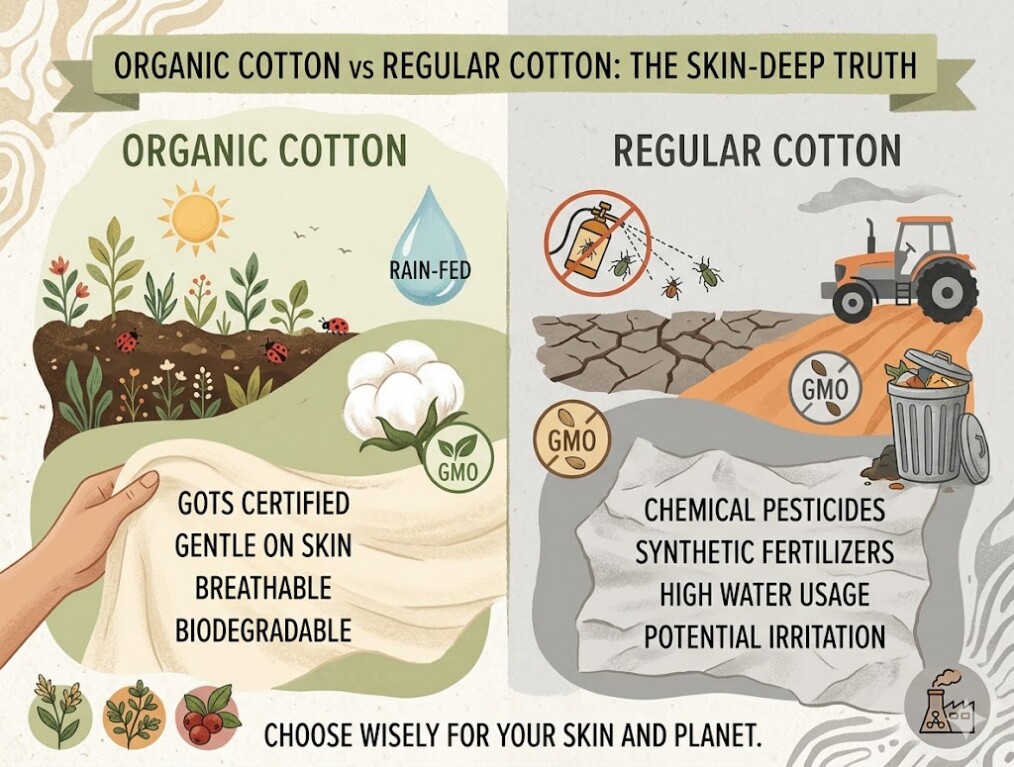
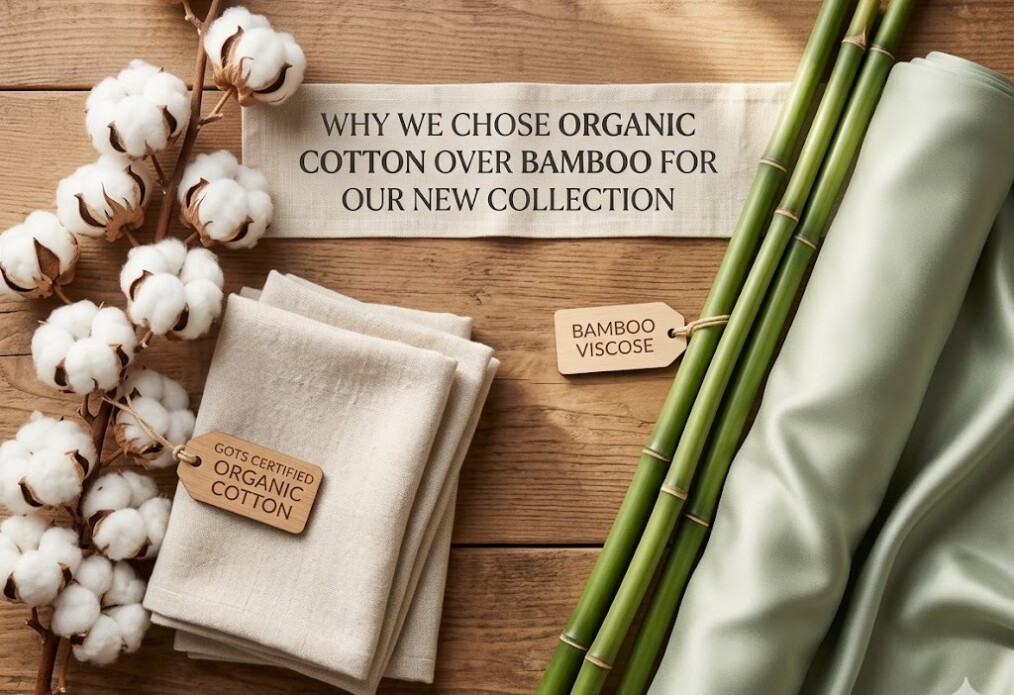
Additionally, understanding the source of your cotton matters. If you are weighing your eco-friendly options and wondering why organic cotton over bamboo, it often comes down to the chemical processing. Organic cotton is minimally processed, retaining its natural breathability and ensuring it is the best fabric for sweat prone skin, free from harsh synthetic residues that can cause irritation when your pores are open and sweating.
3. Tropical Weight Merino Wool
Wool in the summer? Yes, absolutely. Merino wool is a scientific marvel. While traditional sheep’s wool is thick and insulating, Merino wool fibers are incredibly fine. It is one of the most effective moisture wicking natural fabrics on the planet. Merino actively pulls moisture vapor away from your skin before it turns into liquid sweat, releasing it into the air. It is also naturally odor-resistant, making it a fantastic choice for long travel days in tropical destinations.
4. Lyocell (Tencel)
Derived from wood pulp (often eucalyptus), Lyocell is a semi-synthetic form of rayon, but it is vastly superior to traditional rayon in humid climates. The smooth fiber surface feels cool to the touch and offers exceptional moisture absorption. It drapes beautifully, making it a prominent feature in the Best Clothing for Summer roundups year after year.
The Fabrics to Banish from Your Summer Wardrobe
To maintain the “Science of Comfort,” you must avoid fabrics that act like plastic wrap. According to sustainability experts at Textile Exchange, synthetic fibers derived from petroleum not only harm the environment but are a nightmare for human thermoregulation.
- Polyester: Unless it is specifically engineered, high-tech athletic wear (which can be expensive and prone to holding odors), standard polyester is completely hydrophobic. It repels water, meaning your sweat stays trapped against your skin.
- Nylon: Similar to polyester, it traps heat and moisture, leading to chafing, skin irritation, and even heat rashes.
- Heavy Denim: While cotton-based, the dense twill weave of denim prevents any meaningful airflow. Leave the heavy jeans at home when navigating the tropics.
Styling Strategies: How to Stay Cool in Humid Weather Fashion
Choosing the right fabric is step one. Step two is utilizing the right cuts, colors, and styling techniques to maximize your comfort.
The Rule of the Silhouette
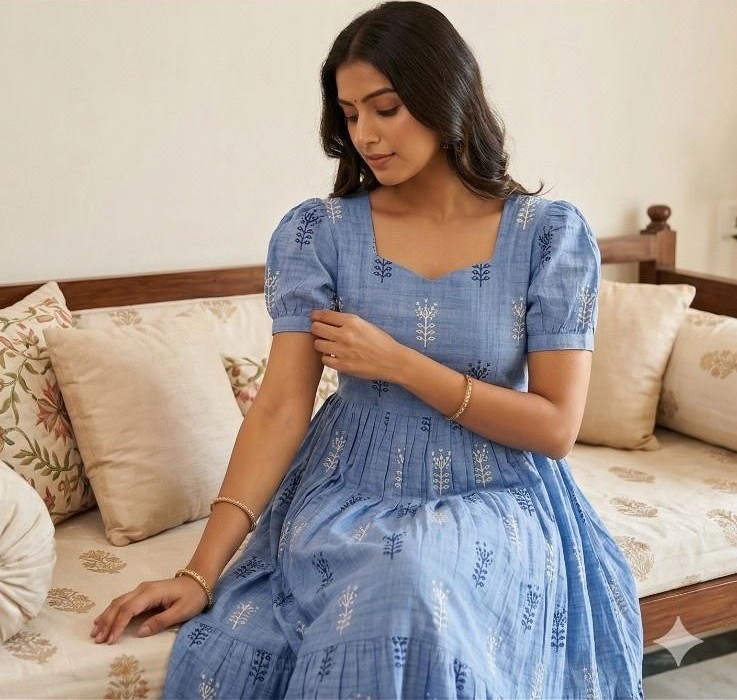
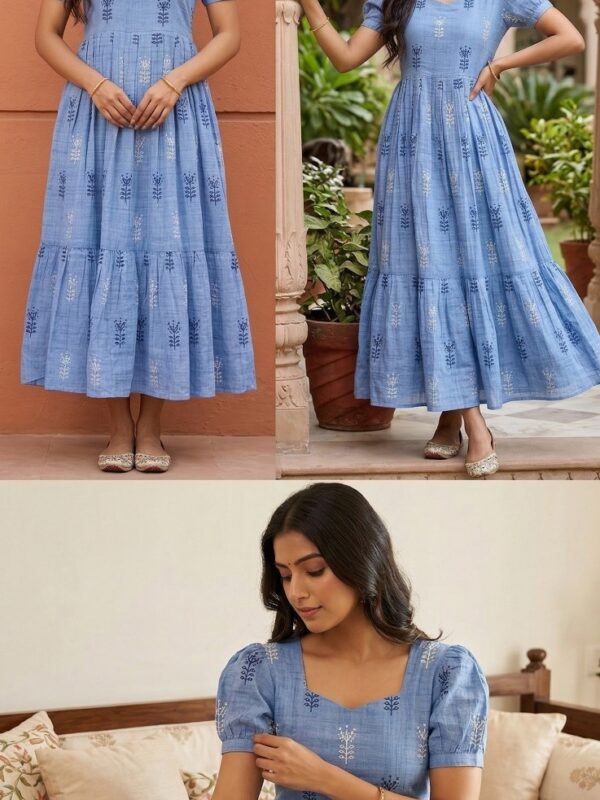
In 90% humidity, your clothes should rarely touch your skin. Opt for relaxed, billowing silhouettes. Think wide-leg trousers, A-line skirts, and tiered maxi dresses. Tight clothing traps a layer of hot air next to the body, while loose clothing creates a “bellows effect” every time you move, the garment pumps hot air out and pulls fresh air in. If you want to see how this translates into beautiful, everyday wear, explore our collection of dresses designed specifically with movement and breathability in mind.
Mastering the Color Palette
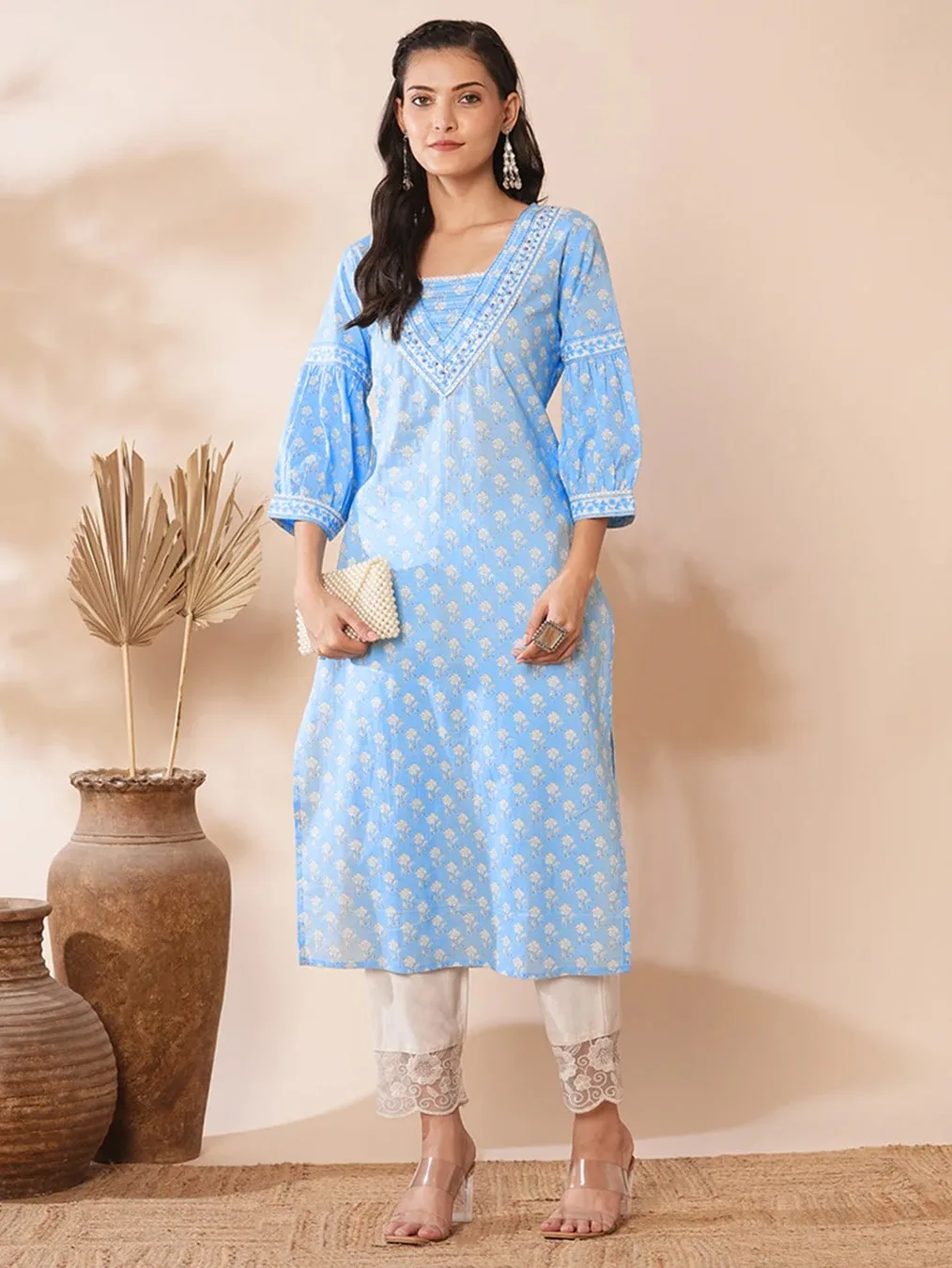
Dark colours absorb more light energy and convert it into heat, while light colours reflect it. However, the visual aesthetics of your wardrobe also play a part in how you perceive heat. Understanding warm vs cool colour theories can help you build a visually refreshing summer wardrobe featuring ice blues, mint greens, and soft lavenders.
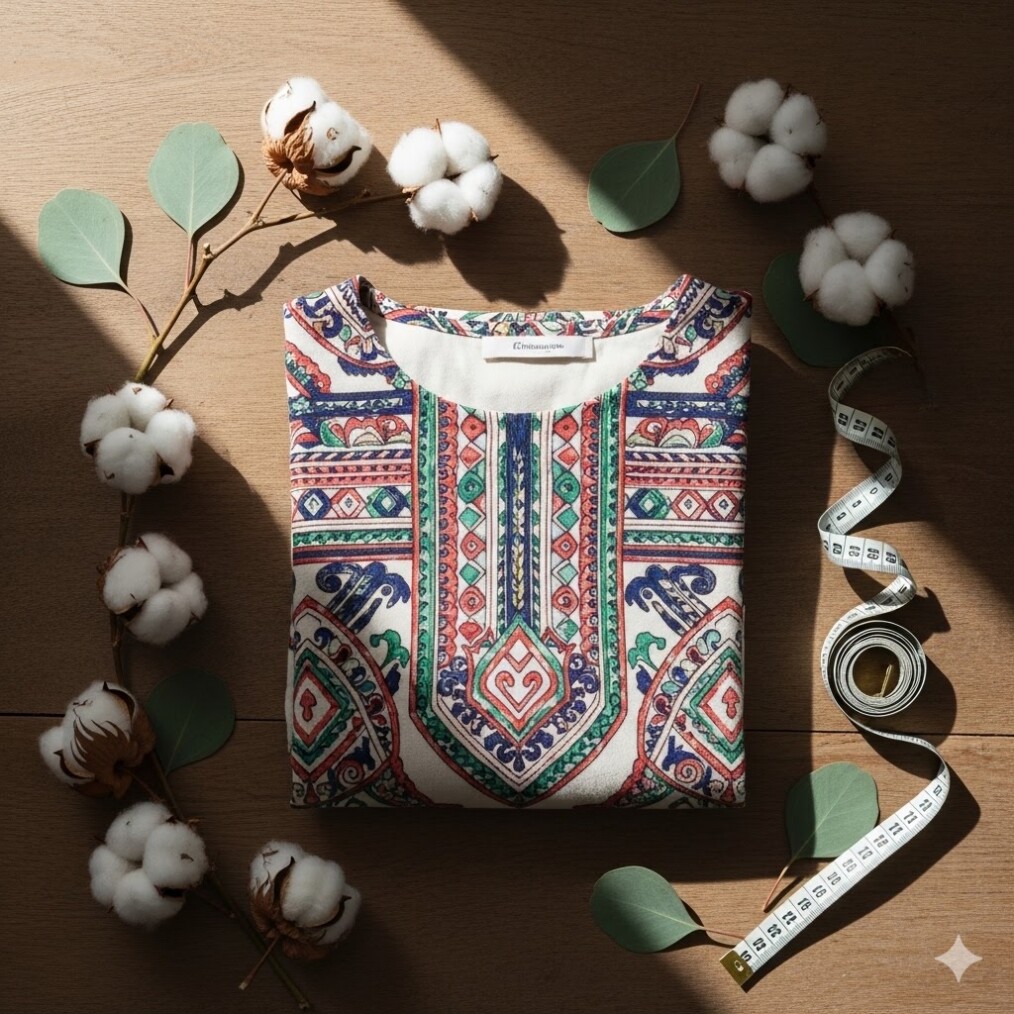
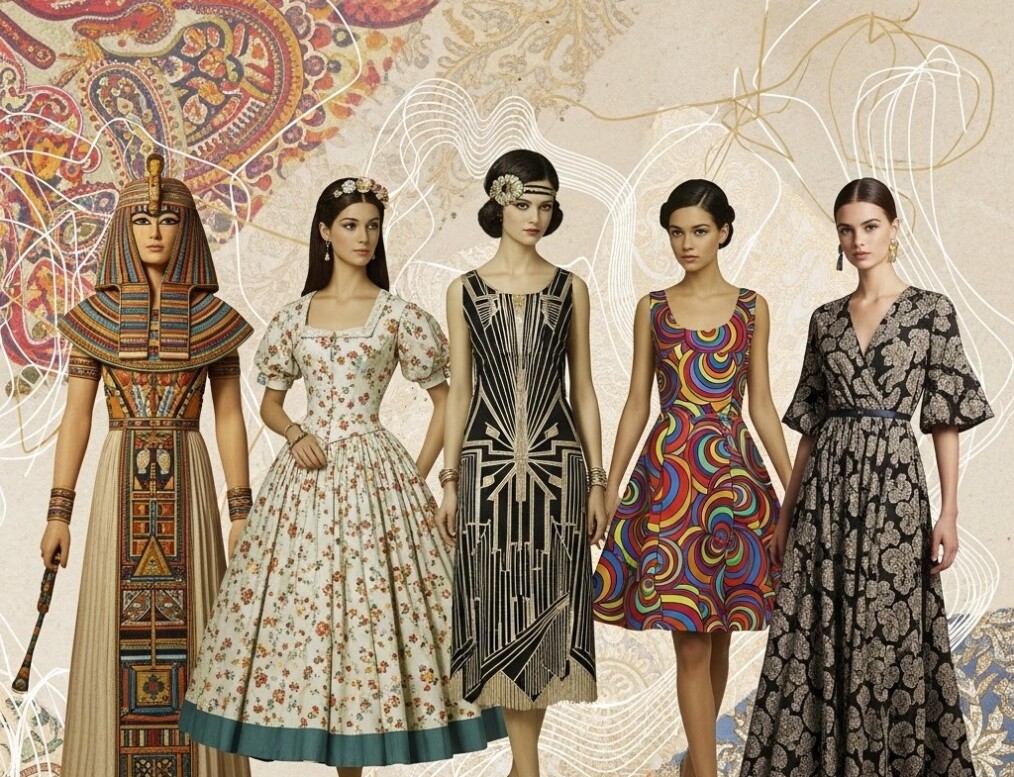
Interestingly, while solid light colors are great for reflecting heat, they are terrible at hiding sweat marks. If you are prone to heavy sweating, patterned fabrics are an incredible camouflage. The visual distraction of a print makes damp spots practically invisible. You can learn more about how patterns have evolved for both form and function in our deep dive into the History of Patterned Dresses.
Looking Ahead to Future Summers
As global temperatures rise, fashion designers are being forced to adapt. When we look at the top fashion trends in 2026, the emphasis is heavily skewed toward “climate-adaptive” clothing garments that prioritize thermoregulation, ethical sourcing, and lightweight draping without sacrificing high-end aesthetics.
The True Value of Comfort
Building a wardrobe specifically tailored for high humidity is an investment in your daily well-being. It allows you to step outside with confidence, knowing you won’t be derailed by the heavy, sticky air.
At Shero, we believe that fashion must serve the wearer, not the other way around. Creating garments from the best fabrics for high humidity requires a commitment to quality raw materials and ethical manufacturing. While fast fashion relies on cheap polyesters that suffocate the skin, choosing natural, breathable fibers is both a personal and environmental necessity.
Understanding the Sustainable Fashion Cost is crucial; you are paying for the science of comfort, the longevity of the garment, and the fair treatment of the artisans who crafted it. We invite you to discover the meticulous care that goes into creating every breathable, summer-ready piece by exploring the Journey of a Shero.
By prioritizing materials like linen, organic cotton, and specialized weaves like Mulmul, you can finally conquer the summer mugginess. Embrace the science, choose your fabrics wisely, and stay cool out there!